A professional will want to check your system every two years as a rule of thumb in Victoria, though you may need an additional inspection for any electrical fault, roof work, a dip in output or if the weather has been particularly hard on things. Then there is the matter of cleaning the panels. Some Victorian homes are fine with a clean once every 12 to 24 months but if you are close to the coast, a farm, trees or a dusty road, more regular attention is called for.
My name is Scarlett Fairchild. I have no time for mysterious potions in my skincare routine and the same goes for home-maintenance advice: I prefer it practical and honest. Your rooftop solar is not entirely maintenance-free. Think of it as a small power station up on the roof that has to put up with heat, wind, rain, birds, debris and now and then a possum of dubious manners.
How Often Should You Have A Service?
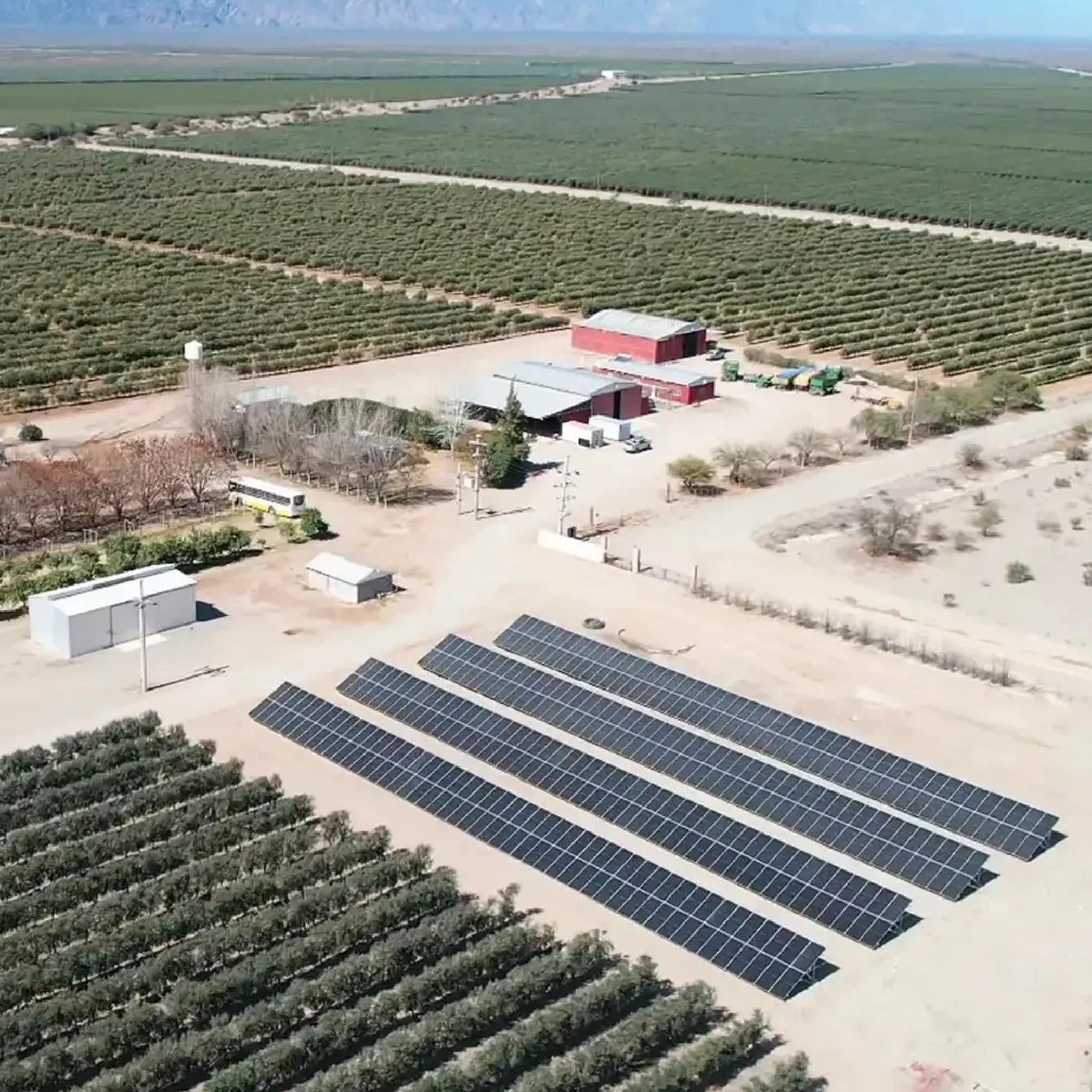
For most households in Victoria, having a qualified electrician come out biennially is a sensible course of action. It is a way to spot a fault in its infancy before it shows up on the power bill or becomes a costly, dangerous affair.
An annual visit is hardly necessary for a newer system in good stead, whereas older ones or those with tricky roofs and a history of storm damage or renovation are better off with more frequent care. In the end the frequency of a proper panel inspection is dictated by the make and quality of the equipment, the environment and what the manufacturer stipulates. For trusted local upkeep, professional care can help maintain the system.
Make Two Years Your Baseline
When it comes to a residential PV system, schedule a qualified inspection some time every two years. Have the technician go over the inverter, cabling, switchboard connections, isolators, mounting hardware and the like, and assess overall performance.
But do not think of two years as some sort of magic number written in the heavens. It is a sound interval for maintenance, not a legal requirement in Victoria. You may find your insurer, the inverter manual or the local electrical authorities have a different timetable in mind, as will the terms of your installer’s warranty.
If There Are Issues, Do Not Wait
A sharp decline in solar output, a tripping breaker, damaged cables, water in the roof space or the smell of burning are all reasons to put in a call for an inspection. As are major roof works or an encounter with hail, lightning or fire.
The mistake many make is to suppose that because the panels are putting out some electricity they must be safe. That is not so; a DC isolator, connector or part of the switchboard can be on the way out and the system will still run.
The Case For Regular Servicing
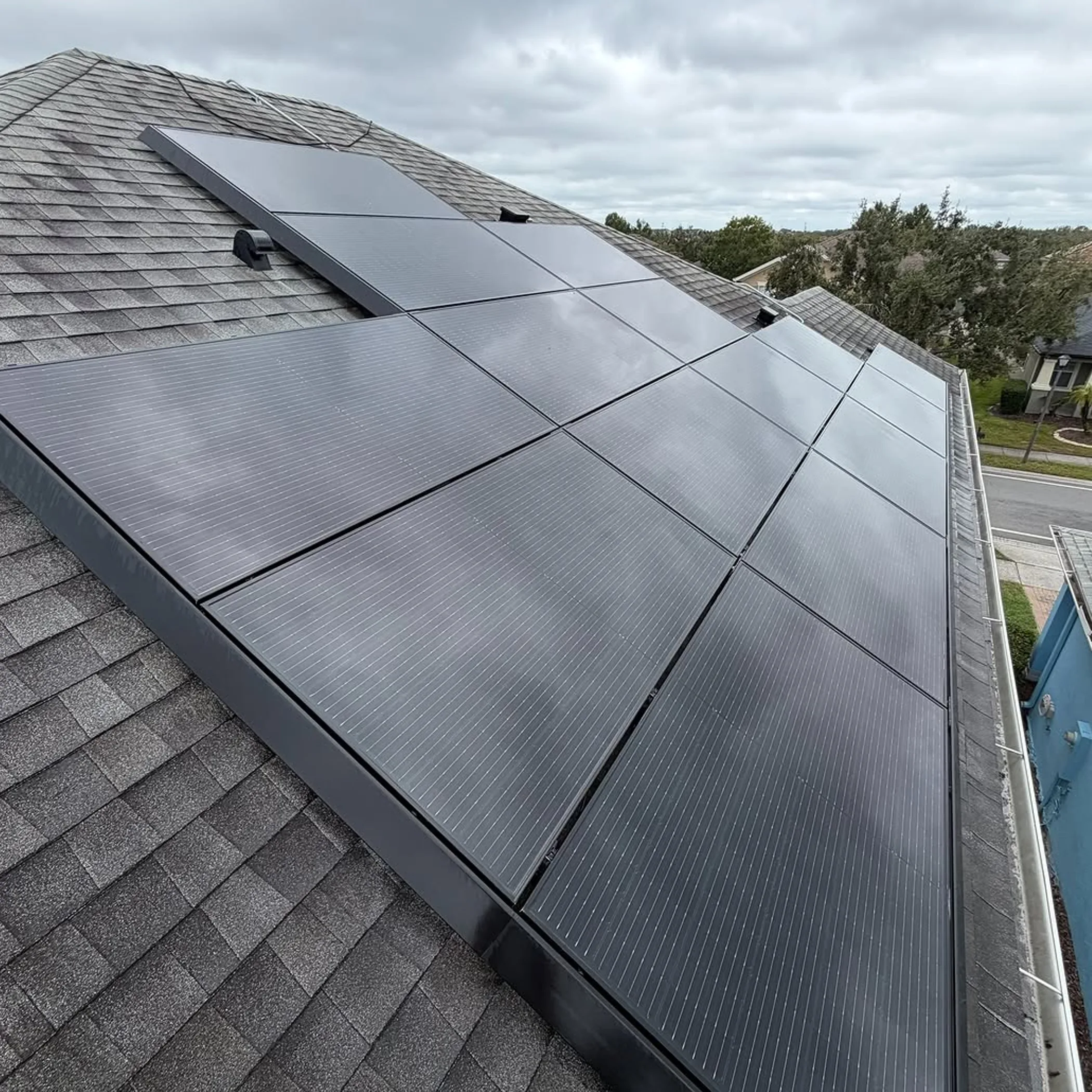
Homeowners in Victoria who keep up with their solar power system maintenance are protecting their performance and any evidence needed for a warranty claim. It also puts a record in place for when an inverter fault or an oddity on the bill needs looking into.
No one can promise you a certain saving on your electricity with a service. Weather, tariffs, shading, the age of the equipment and network settings will all play a part. But a system in good order is your best bet for generating the power it was put there to.
Guarding Your Equipment
Grime and bird droppings will see less sunlight hit the panel. And a new tree or building project can shade them more than your average dirt, so the technician ought to be looking at the whole setup and not just hosing down the panels.
He can also put his finger on any corrosion, moisture or a cracked component. It is better to deal with these minor defects than to let an electrical problem or a bad roof penetration get worse over the summers until the inverter gives up.
Fire And Shock Hazards
With live DC voltage present as long as the sun is on the panels, testing for electrical safety is important. Water ingress or a poor connection can be a shock hazard or start a fire.
And do not be tempted to open up the inverter or turn off something on the roof if you are not sure of the function of the switch. The DC isolator is not a red handle for show, it is integral to the isolation and should only be used where the procedure is unambiguous and safe.
What To Expect From A Pro
You want an appointment that is more than a look at the inverter and a declaration that all is bonza. The technician should be using visual checks and performance checks along with records to evaluate the installation in its entirety.
Put in a booking and ask what is covered by the quote. Some will give you a written report and do the electrical testing and monitoring, others are only interested in cleaning the panels. The safety implications are not the same from one service to another.
What To Expect From A Practical Inspection
When a professional comes out, he will typically do a visual of the switchboard equipment, inverter condition, isolators, connectors and any cabling in plain view as well as the roof penetrations, rails, frames and panels. The technician is likely to have a look at the inverter fault history too, along with error messages and generation data.
There can be electrical safety testing as part of the appointment, be it polarity or insulation checks, earth continuity, voltage measurements or an examination of protective devices; this will depend on the system at hand and the way the technician goes about his work. In short, the tests put in place must be in keeping with the installation and what current safety dictates.
| Service Area | What To Check | Why It Matters |
|---|---|---|
| Panels and frames | Cracks, staining, hot spots, movement or an accumulation of dirt | To ensure consistent output and safe generation |
| Cabling and connectors | Loose connections, sagging, damage from UV or animals | A way to lower the risk of fire, moisture and faults |
| Inverter and isolators | Enclosure and ventilation, heat, warning lights and fault history | So that you can spot a fault before it gets expensive |
| Switchboard | Any visible heat damage, accessibility, protection devices and labelling | You want to be sure the solar set up is still serviceable and easy to make sense of |
| Performance records | Monitoring gaps, odd shutdowns, recent generation | To tell an equipment problem from a change in weather or shading |
Put It In Writing
Have the technician provide a report with the date of inspection, system particulars, test results and any defects, photographs to back it up and what he recommends. File it away with your invoices, warranty and monitoring records.
An urgent piece of safety work is not the same as routine maintenance, so the report should make that distinction. “Replace immediately” is not something you would put on a par with “monitor”.
Who Is Qualified For Solar PV?
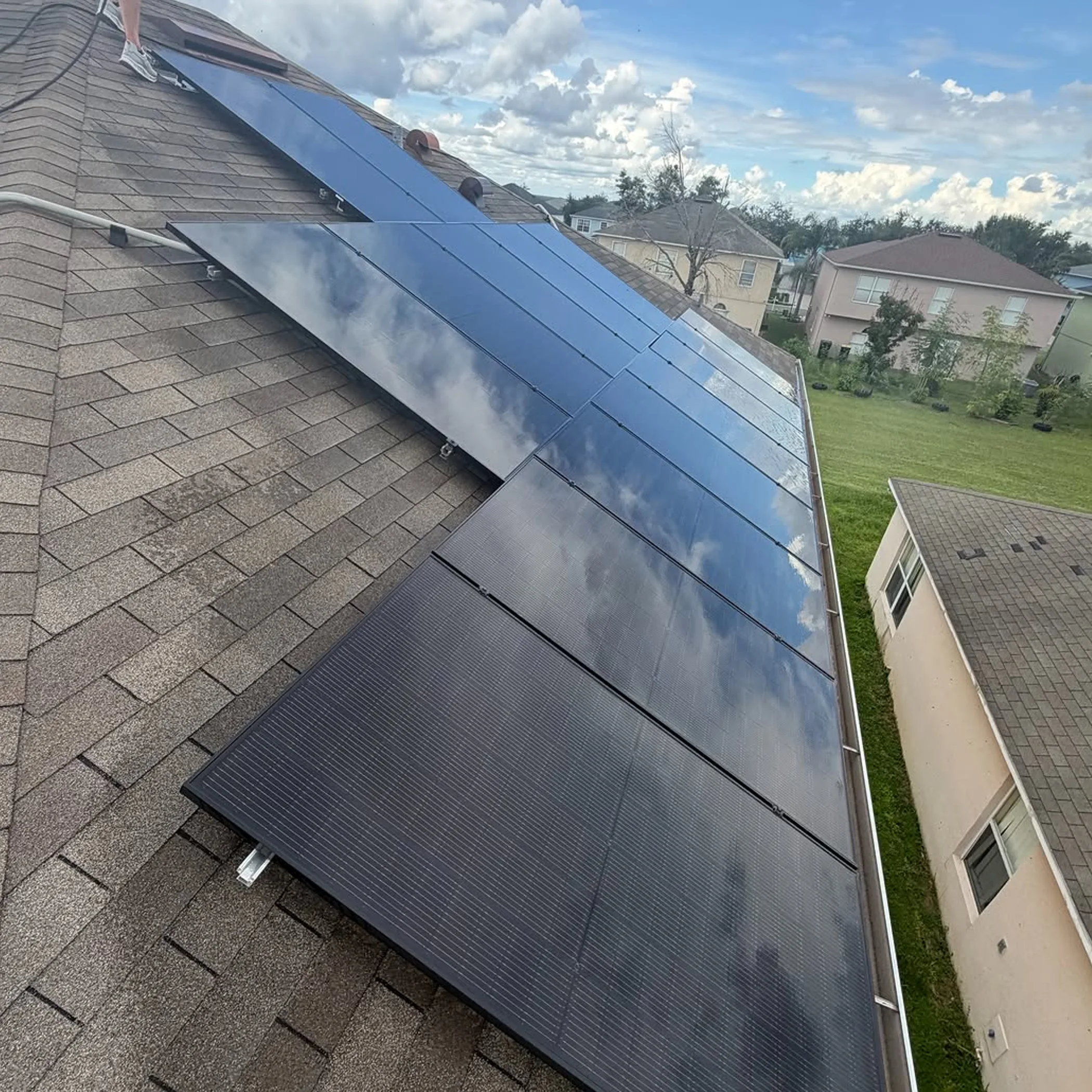
In Victoria an electrical professional with the right licence should be doing the work. Put in a search for a licensed A-Grade electrician solar service if you like but do not take the description at face value. Verify the contractor’s licence and insurance, see that he has solar experience and is amenable to putting down a compliant invoice and written report.
Licences And Accreditation
For anything from an alteration to fault repairs and testing, engage a Victorian electrical contractor who is suitably licensed. If there are rebate or manufacturer stipulations, an accreditation with Solar Accreditation Australia is some indication of the training involved.
Find out who is going to be on site. Some companies put out an ad for solar servicing then subcontract the job. Not necessarily a problem, but get the name and licence of the contractor and know who is accountable for the report.
Warranty And Network Requirements
Should the service call for a change in the grid connection, export controls or inverter settings, the contractor will have to abide by the rules of your Distributed Network Service Provider. Do not think of a modification as a simple swap; Victorian DNSPs have their own technical processes.
And put your product warranties and the likes of Clean Energy Regulator certificates somewhere to hand. Make changes without the proper documentation and you will have a headache when it comes to compliance.
How Often To Clean Your Panels
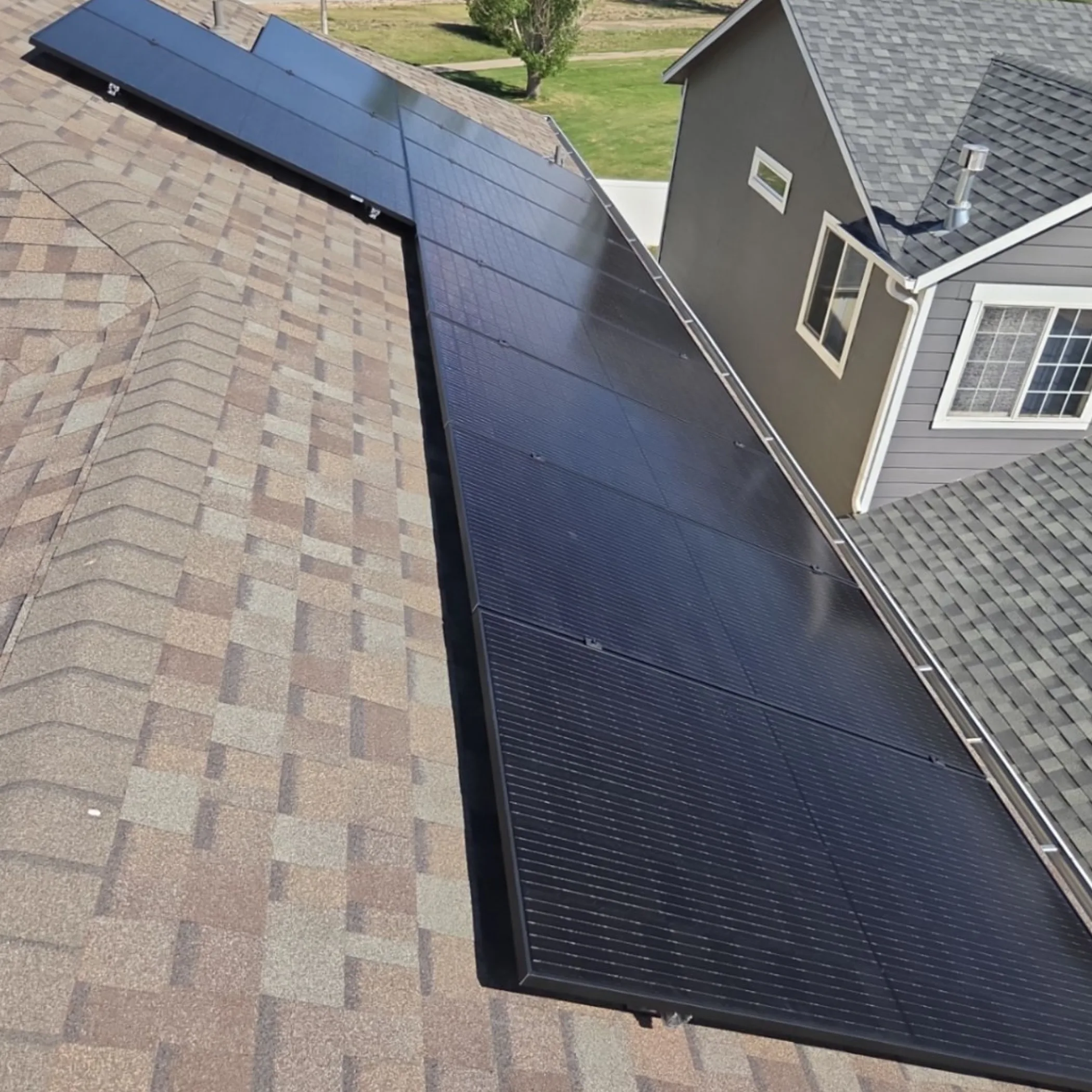
It is more a matter of where you are situated than the name of the suburb. You may have salt on a coastal home, pollen and leaves on a Melbourne property or dust and agricultural residue in the country.
Do not count on the rain to do the job. A light shower is no better than using a leaky tap to wash a car and calling it a day.
A Guide For Victoria
Consider the table below a point of reference rather than hard and fast rules. If you can, have a look at the panels from the ground and put in for a clean when you see the deposits are having an effect on the surface or the output.
| Location Or Condition | Typical Cleaning Guide | Extra Consideration |
|---|---|---|
| Inner-city or open suburban roof | 18 to 24 months provided they are clean | Mind the dust and bird life |
| Leafy suburb | 12 to 18 months | Clear the litter and keep an eye on shade |
| Coastal | 6 to 12 months | Salt and corrosion need to be watched |
| Rural/dusty | 6 to 12 months | Birds and ash can put in an appearance in short order |
| Post storm or bushfire | Have them inspected before you decide to clean | Look for loose gear or cracks |
Leave It Be
There is no need to mount the roof with a bucket and an improvised ladder to put on a show. With the pitch of the roof, overhead lines and live equipment, DIY is not worth the risk.
Suitable access equipment and the right kind of cleaning are what a professional will employ to ensure the glass is not scratched and seals left unharmed. A visual inspection from the ground is a good thing where panels are within easy reach, but it does not in any way replace electrical servicing.
When Your System Is Due for an Inspection
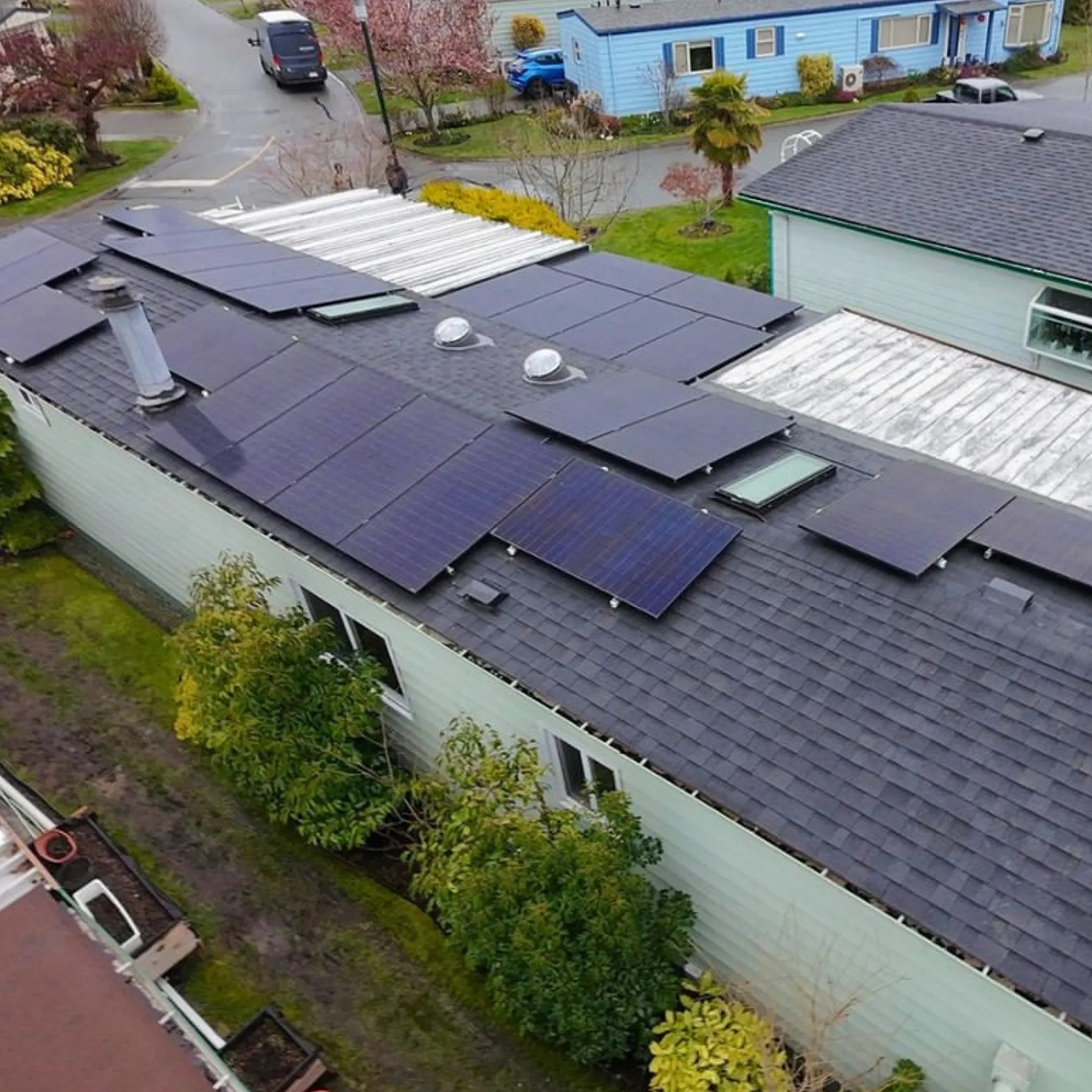
An inverter alarm will make some faults known. There are more discreet ones that show up as physical damage, an output that is tailing off or shutdowns for no apparent reason. You can put your current generation figures up against the usual seasonal pattern and spot changes all the sooner.
Then there is the weather. A stretch of grey skies is bound to lower production; a like for like drop on a sunny day calls for some looking into. The data you monitor is evidence, not a diagnosis.
Warning Signs to Be On the Lookout For
- Inverter warnings that come round again and again, a history of inverter faults or shutdowns you cannot account for.
- Solar output taking a nosedive, with no shade, household or weather related cause for it.
- Panels with cracks or discolouration, frames that have come loose, cables on show, corrosion and the like.
- Breakers tripping, a burning odour, heat marks, a buzzing sound or an isolator cover in need of repair.
- Shading that has appeared from a new building, satellite dish or tree, and an accumulation of leaves, dirt, bird droppings and other debris.
Should you see smoke or sparks, smell something acrid, then get people clear of the equipment and put in a call to an emergency electrician or the proper authority. Do not go up on the roof to have a look at damaged parts.
Five-Year Checks and Solar Safety
The 2026 advice from Solar safety Victoria would be to have competent electrical work done, labelling in order, safe access and compliance records to hand. But a legal requirement and a service interval are two different matters.
Do not read this guide and think every Victorian household is obliged to book a service once every five years. Such references might pertain to certain maintenance, warranty, insurance or rental agreements, so find out what is required of your property.
Good Practice Versus the Law
One should not equate servicing a solar system with some statutory schedule for private homes across the board. Yet installation rules, network conditions and the demands of electrical safety and the workplace remain in force.
For the official word on electrical safety in Victoria, Energy Safe Victoria is the place to go. If the system was put in under a state rebate or programme, the guidance from Solar Victoria may be pertinent.
Dealing With Extreme Weather
A check before the summer storms to see that nothing is obstructing the equipment and monitoring is in order is advisable. In the wake of fire, lightning, hail or high winds, have an inspection done even if the inverter looks fine.
Panels and cabling can be compromised by such weather without any warning to speak of. A ground level view is one thing, leave the roof to a qualified hand.
Arranging Upkeep With a Local
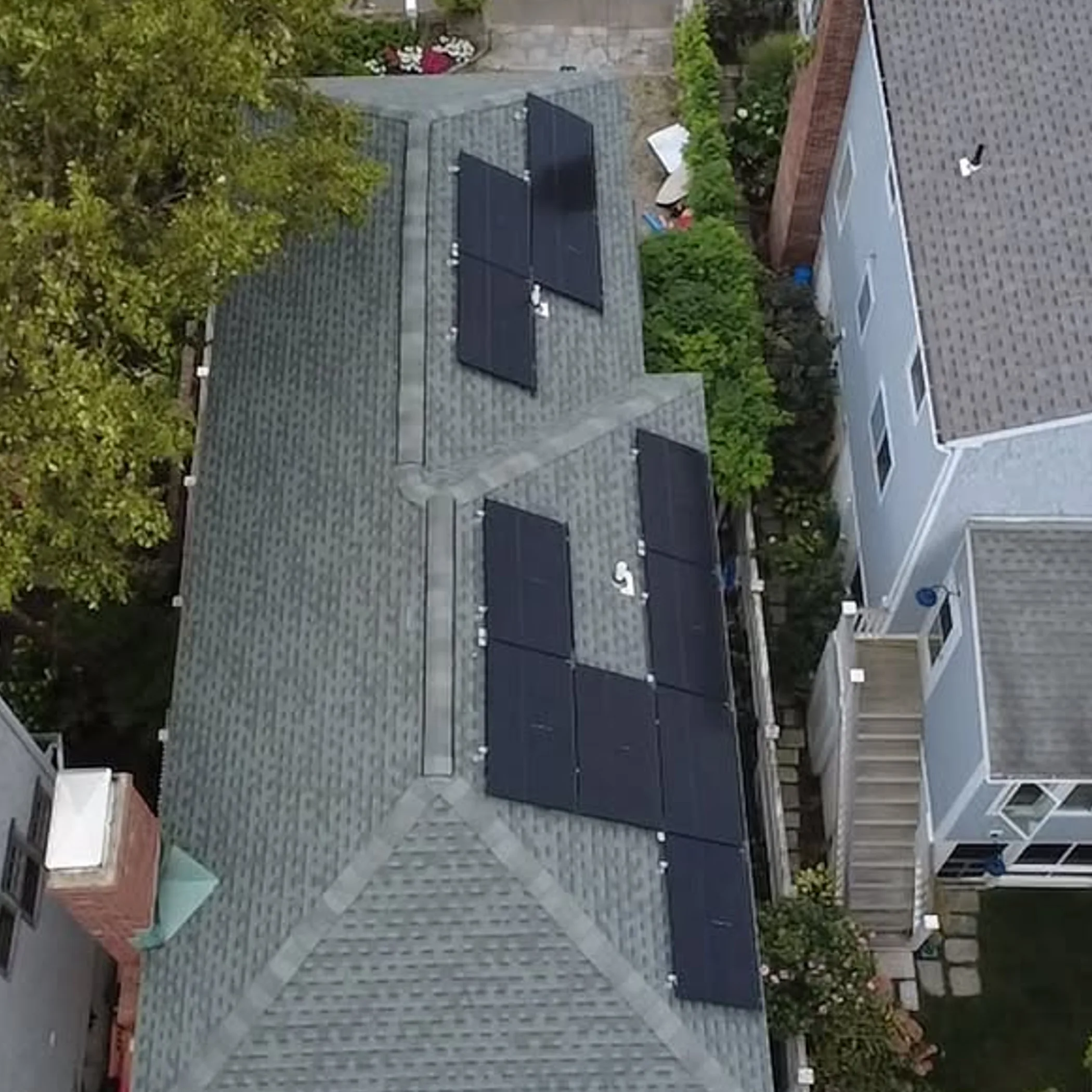
It is not hard to put in a booking, but being prepared is time well spent. Get hold of your warranty papers, inverter model details, date of installation, old reports and some screenshots of your monitoring prior to a call with the contractor.
There are logistics to consider: where the switchboard is, roof access, if you need to be in, parking and whether a steep driveway or gate or pet might put a hold on things. This is local upkeep of repute, not some rite of passage with a bloke who puts in an appearance at the front gate.
Make Of The Appointment
- Put down a couple of weeks’ worth of normal generation and error messages for the record.
- You want to see the contractor’s licence and insurance in Victoria, his solar credentials and a written scope of work.
- Get separate quotes for the testing, the inspection, repairs and any panel cleaning.
- Enquire as to how the work stands with your warranty, grid connection or DNSP approval.
- Retain the invoice, photos and compliance paperwork for when you sell the property or have it serviced next.
Costs are a function of location, system size, the testing called for and so forth. An itemised quote in Australian dollars is in order before any work is done. Be wary of a “service” at a price too good to be true that amounts to a cursory look at the inverter.
Frequently Asked Questions
We address here the sorts of misconceptions that trip up homeowners. The answers are as practical as they can be, though for anything system specific your documents and a licensed pro will be the final word.
How often for a service?
Every two years or so is the norm for a professional inspection in Victoria. Book one in after a fault, roof work or a marked and unexplained loss of output.
Who is to service the rooftop system?
A Victorian electrical contractor with the necessary licence and some solar experience. A Registered Electrical Contractor with Solar Accreditation Australia is a good sign of capability, but check on the individual doing the job.
What is involved?
Examination of the inverter fault history and system performance, a visual of the panels, cabling, isolators and switchboard and the requisite electrical safety tests. Cleaning is likely to be an aside, so make sure of the scope.
Cleaning frequency?
12 to 24 months for most. In a leafy or coastal part of town, or where it is dusty, you may be at it every 6 to 12 months. In an open suburb where the panels are clean to the eye, less often.
Is it a legal matter?
Not in the sense of a universal interval for residential systems in Victoria. Warranty, network and other requirements vary, so refer to the documents and the prevailing guidance from the DNSP, Solar Victoria and Energy Safe Victoria.
In short, have a professional have a look every two years, keep tabs on performance and do not be slow to act if the system is acting up. When it is working as it should, solar power is very quiet, but do not take silence as an indication that every connector and cable is in order.