The premise of cosmetic procedure regulations in Australia for 2026 is straightforward: a patient should have access to good information and a qualified practitioner, and be given the opportunity to give some thought to treatment before it happens. Be it cosmetic surgery or an injectable, informed consent, the facilities, advertising and aftercare are all subject to these rules. Some are national in scope, others are dictated by state and territory law.
I am Scarlett Fairchild. In my time at Sydney skin clinics I have observed how a pleasant consultation can turn into a muddle when you factor in medical jargon, the lure of glossy ads and an appointment book that is running down. This is a look at the practicalities of the regulations governing cosmetic surgery in Australia, and what one ought to look at before parting with any money or getting under the clinic lights.
Changes for 2026
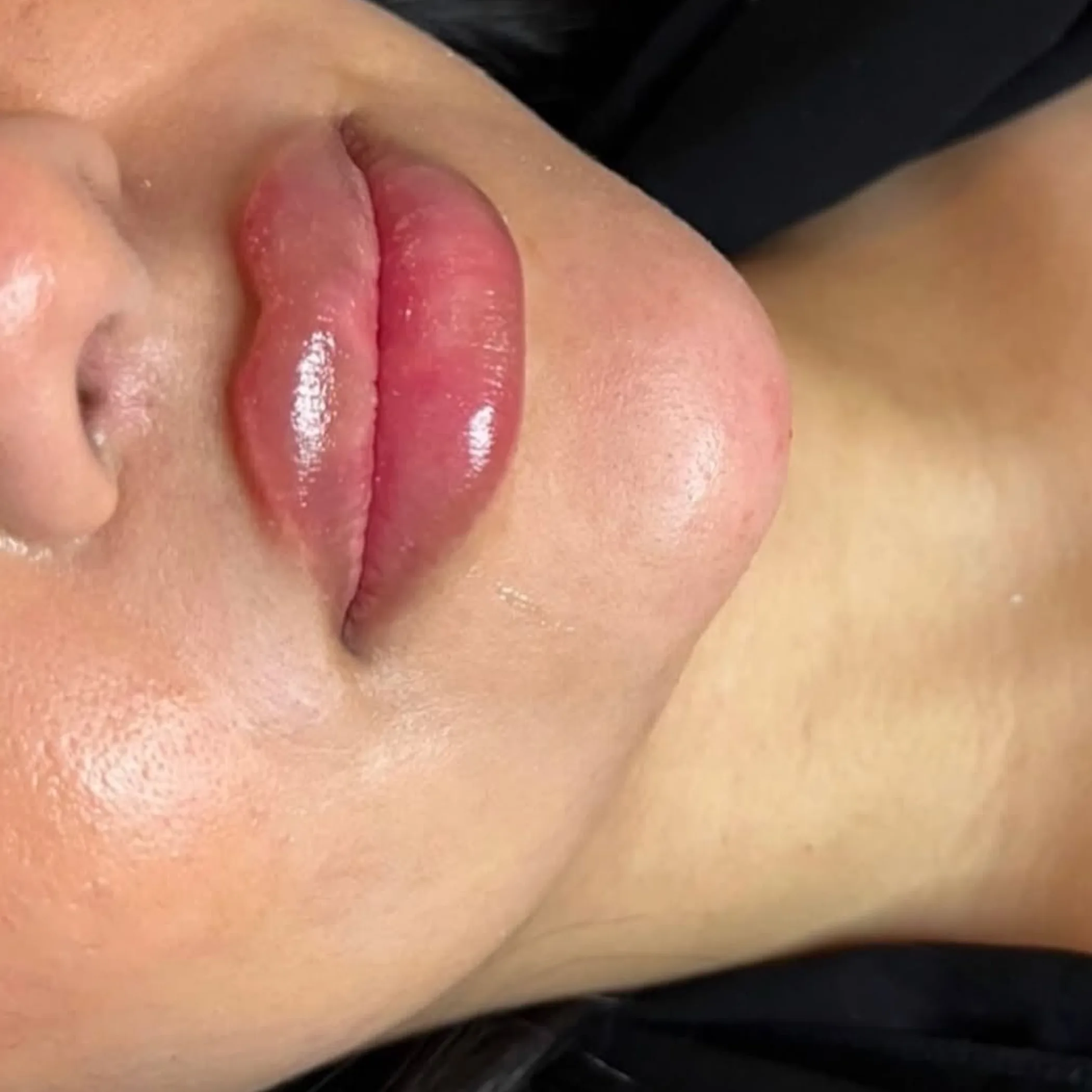
There is now more of an onus on clinical governance and risk disclosure in the Australian framework, as well as a distinction between a medical procedure and something offered as a beauty service. “Non-invasive” does not put up a force field; the prescription medicines or injections involved can lead to scarring, infection, burns or other complications.
Practitioners are held to current treatment standards that require them to be open about the suitability of a procedure and any alternatives, and what might ensue if the outcome is not as hoped. A patient must be in a position to decide of his own volition, free from the hard sell of a limited discount or any promises that are more sales than healthcare.
National Versus Local
Through the Medical Board of Australia and the Australian Health Practitioner Regulation Agency (AHPRA), the Health Practitioner Regulation National Law has nationwide reach. But states and territories have their own way of regulating public health, medicines and certain procedures. Queensland operates under the Queensland Cosmetic Procedures Act 2020, for instance. So a practitioner might be registered across the country yet still have to abide by the facility and procedural demands of the state in which he is treating you. It pays to check where the clinic is situated rather than rely on an Instagram page.
Regulators of the Industry
AHPRA is the body behind the national registration of doctors, nurses and the like. For registered medical practitioners the Medical Board of Australia provides the professional guidance and standards for cosmetic medical and surgical work. Then there is the ACSQHC, the Australian Commission on Safety and Quality in Health Care, which has put in place its NSQHS Cosmetic Surgery Standards. These apply to the facilities and deal in no uncertain terms with matters of clinical governance, communication, medication and infection control.
What Each Body Does
In short, AHPRA will take notification on a registered practitioner, while the Medical Board has the power to investigate conduct and put conditions in place. The ACSQHC is concerned with the national safety frameworks and the state health departments with local ones. And do not think a clinic can get around regulation by calling itself a “wellness” centre; the Therapeutic Goods Administration will have say over any therapeutic claims or devices used. What is done and the risk involved is what counts, not the sign on the door.
On Referrals and Cooling-Off
A deposit is not the way to start cosmetic surgery, a proper medical assessment is. One’s consultation should run through your allergies, smoking habits, medications, what you expect and the recovery to come.
The Medical Board advises a minimum seven day cooling-off period from the time of the consultation to the procedure. It is there so a patient can have a word with someone he trusts or get a second opinion. Any clinic that sees this as a nuisance has not understood the purpose.
Is a GP referral necessary?
Not every cosmetic treatment in Australia will demand a GP referral, but there are professional expectations in surgery regarding medical assessment. The surgeon may want a referral or further assessment of your health before going ahead. Put it to him and find out if the referring doctor can be part of your care going forward. A referral is a matter of clinical judgment, not some formality to be ticked off five minutes to surgery.
| The Situation | What one can expect and the practical questions to put to a practitioner. | |
|---|---|---|
| Cosmetic surgery | There will be a medical consultation, an airing of risks and any alternatives, and you should allow for a cooling-off period of no less than seven days. | Practical question: Who is going to be on top of my health and see to any complications? |
| Non-surgical injectables | An assessment is in order as well as information on aftercare, consent and the rules around prescription or supply. | What device or medicine are they using and who has put in the prescription? |
| Procedure at a facility | Look for proper clinical governance, infection control, emergency plans and follow-up. | Is the facility licensed or otherwise authorised for what is being done? |
| Advertising | Claims should be balanced and truthful, with no imagery to mislead or outcomes that are put forward as guaranteed. | Is there any reliable evidence to back up what is being advertised? |
Medical Oversight For Injectables
In Australia the regulations governing cosmetic injectables are dictated by the procedure and product. Botulinum toxin is a prescription medicine; Botox is not something you put down for a vial and reserve a room. A registered practitioner has to make the lawful determination that the medicine is right for you, prescribe or give it and set out the risks.
Dermal fillers are another matter but they are not without their dangers – vascular occlusion, tissue damage, asymmetry, infection or even loss of vision are possible. One would do well to regard non-surgical injectables as a medical procedure and not a beauty appointment to be fit in before lunch and a blow-dry.
Some Questions To Put Before An Injection
Find out who is doing the work and what registration and qualifications are on show. What is the product and is it approved for this use? And if pain or swelling sets in, or there is a change in colour or vision, what then? Clear aftercare and an emergency contact should be provided.
I have seen clients in a Sydney coastal clinic preoccupied with the price and the size of the needle. The things that matter are whether the practitioner can spot a complication early, his knowledge of anatomy and the product he has chosen, and how he has planned for emergencies. A low price is no substitute for clinical ability.
Patient Safety And Consent
To meet Australia’s informed consent requirements in cosmetic surgery is more than an exercise in signing off on a form. You need to know what is being proposed, the likely costs and recovery, the benefits and the significant risks, and what might transpire if the result is not to your liking.
It is a discussion that should be suited to the individual. Advice for a patient with diabetes or a bleeding disorder, or one prone to anxiety or poor scarring, will differ from that given to someone else. The practitioner will also make clear if the procedure is elective or medically called for, and if putting it off is a sensible course of action.
How Good Consent Is Done
A conversation and some written information to go with it. There should be no feeling of being rushed or bullied for it to be valid; you must be able to comprehend what is said and have the opportunity to ask questions and have a change of heart.
On risk disclosure, common side effects and the more serious, albeit rarer, ones should be tabled. So too any extra expense, the need for revision, time off work and the like. If you are to be under general anaesthesia or sedation, do not think of driving yourself back across town, get a responsible adult to take you home.
The National Safety Standards
The National Safety and Quality Cosmetic Surgery Standards are in place so facilities can put safer systems in position. They cover everything from credentialling and scope of practice to medication safety and how to recognise deterioration.
For the patient it is simple enough: when the day does not go to plan the clinic has the means to deal with it. Trained staff, the right equipment and documented procedures are part of that, as are transfer arrangements and post-discharge follow-up.
Checking The Facility And Follow-Up
You can enquire as to where the procedure is to be carried out and if the facility is authorised for such care. A consultation room may do for a minor treatment but not for surgery where anaesthesia or an emergency could be required. Also ask about after-hours advice and how postoperative reviews are put in place.
Then there are the logistics. Make sure of your transport, parking or public transit, and if a support person is to be there. Do not plan on having to haul luggage or put in a long drive or put up with a corrugated track on the way back from surgery. Your recovery comes first; you can always get on the Stuart Highway later.
Clinic Advertising
Australia has its rules for cosmetic surgery advertising which are applicable to social media, websites, testimonials, promotional mail and the like. It is not acceptable to be misleading or deceptive or to foster expectations that are unreasonable. No pressure tactics, no guaranteeing results and no dramatic before-and-afters without the proper context.
It is incumbent on the practitioner to steer clear of any title or description that might mislead a patient as to his or her training. In the end, what is of consequence is the scope of practice and registered qualification, not an impressive sounding clinic name. For claims that are too good to be true, one would do well to refer to the AHPRA advertising guidance for registered health practitioners first.
Common Advertising Traps
There are “limited-time” surgery deals, referral bonuses, competitions and recovery claims that are anything but realistic; watch out for them as well as talk of a treatment being a one size fits all. Testimonials are another pitfall in that they put forward a skewed view by way of chosen experiences, not the complete picture of outcomes.
With facial injectables in particular the gap between expectation and reality is something to bear in mind. A photo can be deceiving with its use of lighting, makeup, camera angle and perhaps a combination of treatments and some swelling. It is no indication of what is safe or possible for your own anatomy.
State And Territory Differences
Laws vary from state to territory when it comes to facility licensing, anaesthesia, infection control, reporting obligations and where a procedure can be done. The Queensland Cosmetic Procedures Act 2020 is legislation directed at cosmetic procedures but it is not the rulebook for Australia as a whole.
Should you make the trip from Sydney to Perth, Brisbane or Melbourne for treatment, the clinic will be answerable to the local rules governing the procedure, not those of your home state. Put in a call to the health authority in the relevant state or territory to be sure before you book.
When Location Changes The Risk
One may think to save money by travelling for a procedure but the follow-up can be problematic. Add in the cost of flights and accommodation, time off work, making transfer and emergency care arrangements and the advertised saving is gone in short order. Getting to care is not easy in the Top End during wet season or through the Pilbara, and there are bushfire closures in summer and cyclone alerts from November to April. A tinnie does not make an ambulance and this is not a bush adventure.
Check Before You Book
Do not let a few mundane checks be the cause of an expensive and stressful shock. Put the practitioner’s full name to the test, have the costs in writing and see for yourself the facility. Any sensible questions should be fielded by a clinic without making you feel like you are being difficult.
- Have a look at the AHPRA register to verify the profession and registration status, any conditions or endorsements.
- Find out who is to prescribe, supervise and carry out the procedure.
- Put in a request for written details on the risks, the alternatives, revision treatment and the cost in full.
- See if a GP referral is needed and what the cooling-off period is.
- Inquire as to after-hours contact, follow-ups and the emergency plan.
- Make sure the premises has the proper licence or accreditation for what is planned.
If You Only Have One Day
Spend it in consultation and research, not having the treatment done. Get a written quote and have a proper medical discussion. This is not for the beginner who is under pressure from a countdown offer or has not come to terms with the risks and is still of two minds.
Take along your medicine list and history and any questions you have. If you are inclined to be nervous, have someone with you. You should walk away from a good consultation with clarity and not feeling put upon.
Frequently Asked Questions
What Is A Cosmetic Surgeon?
By definition a medical practitioner whose procedures are for the purpose of altering appearance and not to address disease or injury. Do not take the title at face value for it says nothing of the training. Look at the AHPRA registration, specialist standing, hospital privileges and experience.
How Expensive Is A Boob Job In Australia?
You will not find a national price that is reliable. Between the surgeon and assistant, anaesthetist, the facility, implants, medicines and any revision or follow-up work the bill can add up. Get a written quote in AUD with all the items set out and ask what is covered in the event of complications. The headline figure could be half the story.
What Are The Regulations Regarding Botox In Australia?
Botulinum toxin is a prescription medicine. Requirements in Australia for Botox are for it to be lawfully prescribed and given by a properly registered practitioner with the right assessment and consent in place. Make sure you know what product is used, who put in the prescription and how they deal with complications.
Can I Get Plastic Surgery At 14?
Not a matter of yes or no in all cases. There is professional judgment to be exercised and the age and maturity of the patient, medical necessity and parental involvement taken into account. With elective surgery on a minor the assessment and alternatives must be very carefully considered. A responsible practitioner will not go ahead just because a teenager is upset or has been sold a quick fix for confidence online.
Are Cosmetic Procedures Risk-Free If They Are Non-Surgical?
They are not. Even without surgery there is risk of infection, scarring, burns, vascular or vision problems and allergic reaction. It is a function of the facility, the patient, the product and the practitioner. Regard non-surgical injectables as medical care and get the emergency arrangements in order beforehand.
Make Safety The Dealbreaker

Price and what is popular on social media should be secondary to informed consent, facility safety and practitioner registration. An imperfect waiting room is not so much of a concern as a clinic that will not put reasonable questions to rest.
Make use of the cooling-off period, keep a record in writing of what was said and compare your options. It is not as exciting as a flash sale but then again the sensible way is flat as a pancake; you are left with a safer decision and the information to make it.