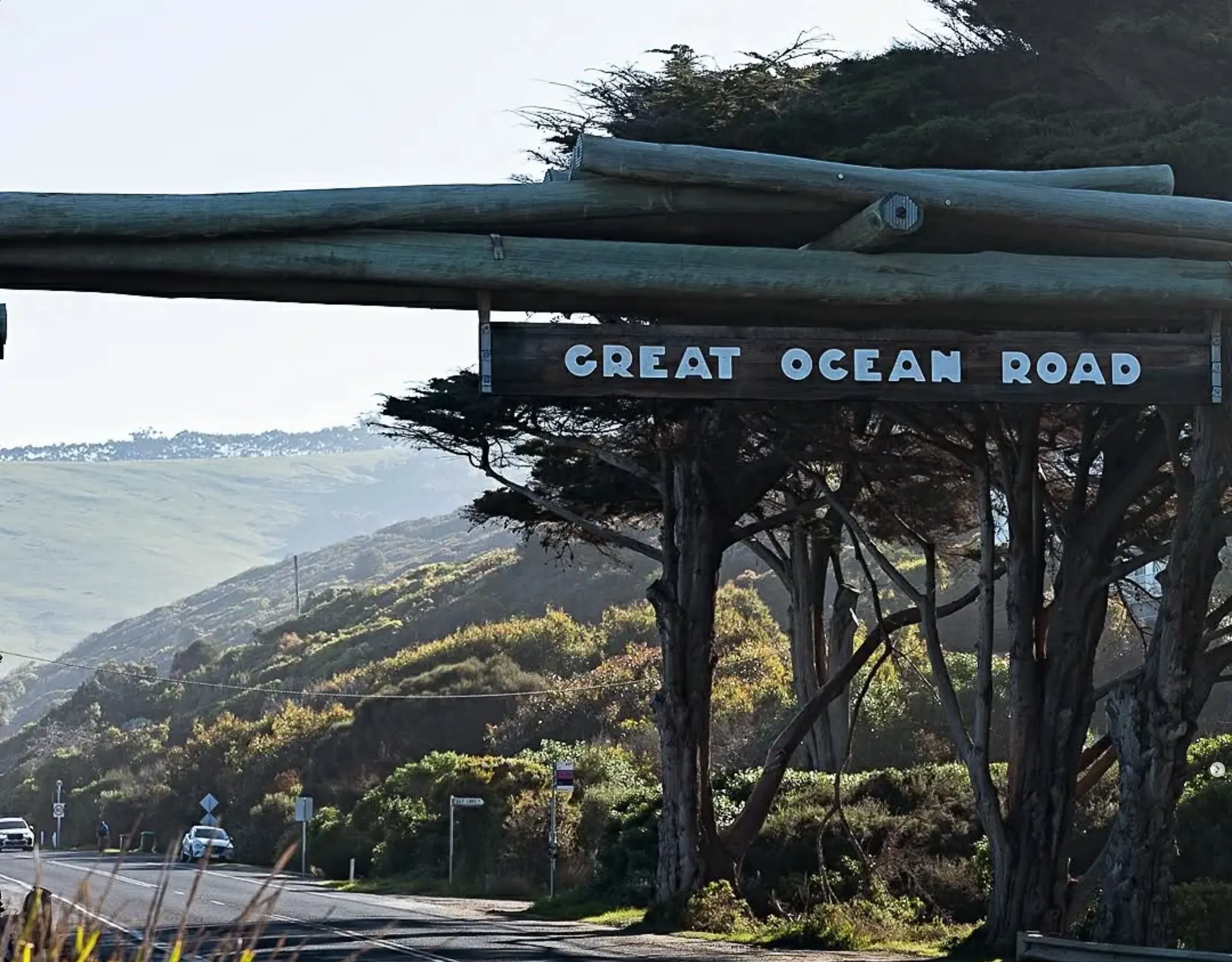
The Great Ocean Road is one of Australia’s most famous drives, running along the southeastern coast of the country in the state of Victoria. With its stunning ocean views, rainforests and famous landmarks like the Twelve Apostles, this 243km stretch of road attracts millions of visitors each year. If you’re planning a trip to this world-famous route, one of the most common questions is: What time does the Great Ocean Road open? Knowing the accessibility, key attractions, road conditions and best times to visit will ensure a smooth and enjoyable trip. Many visitors opt for a Great Ocean Road day tour which offers a set itinerary to see the best sights in one day.
Is the Great Ocean Road Open 24 Hours?
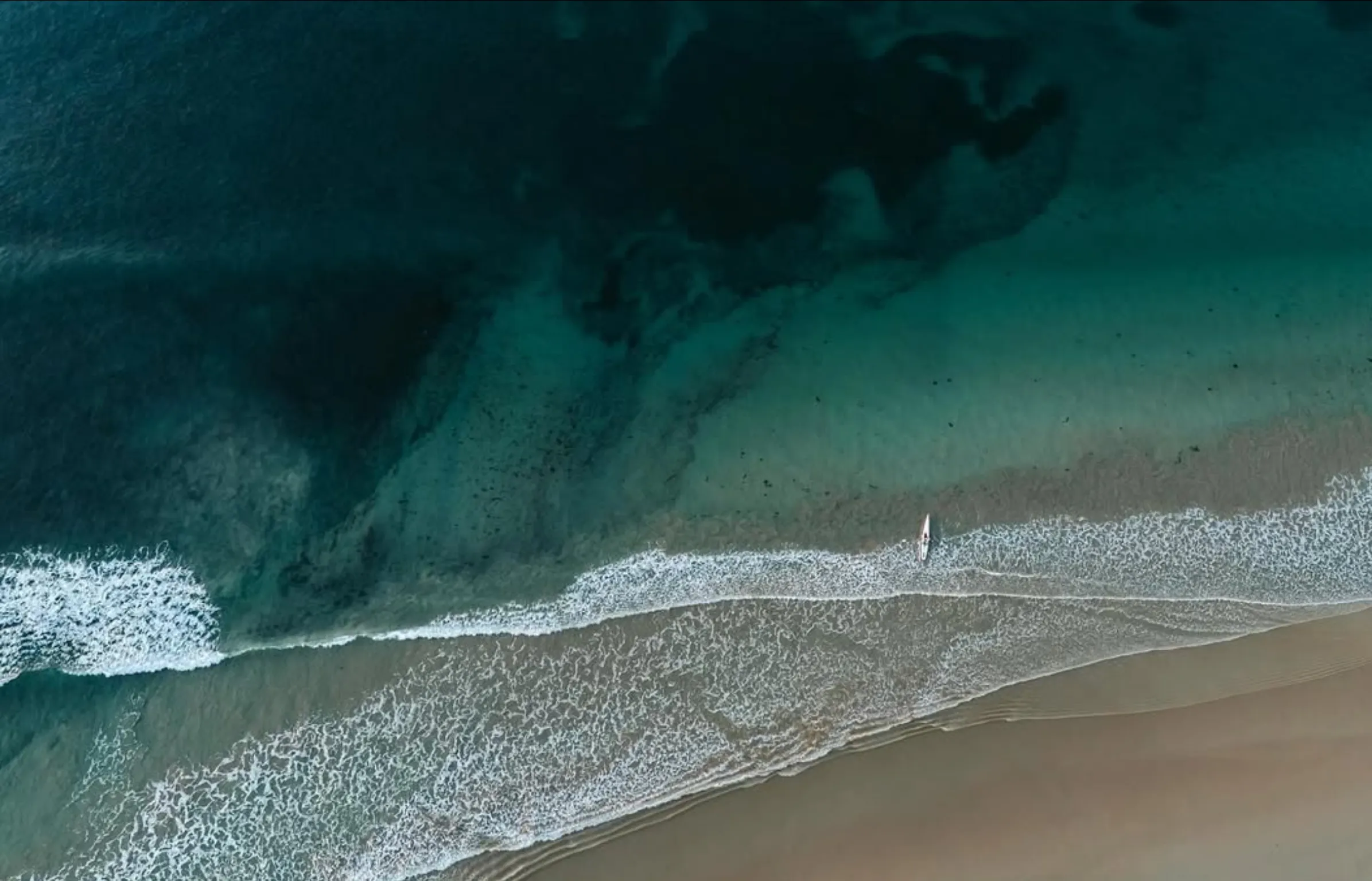
The Great Ocean Road is open 24/7. Not like a national park or private attraction that has set opening and closing hours, the Great Ocean Road is a public highway so you can access it anytime. However, while the road is always open, some attractions, visitor centres and facilities along the route have specific operating hours.
Even though the road is open 24/7, driving at night is not always recommended. The road is winding and has cliffs and wildlife crossings which can be hazardous in low light. Also, many of the viewpoints and attractions are best experienced during daylight hours when you can see the southern coast and its beautiful beaches.
Best Time to Drive
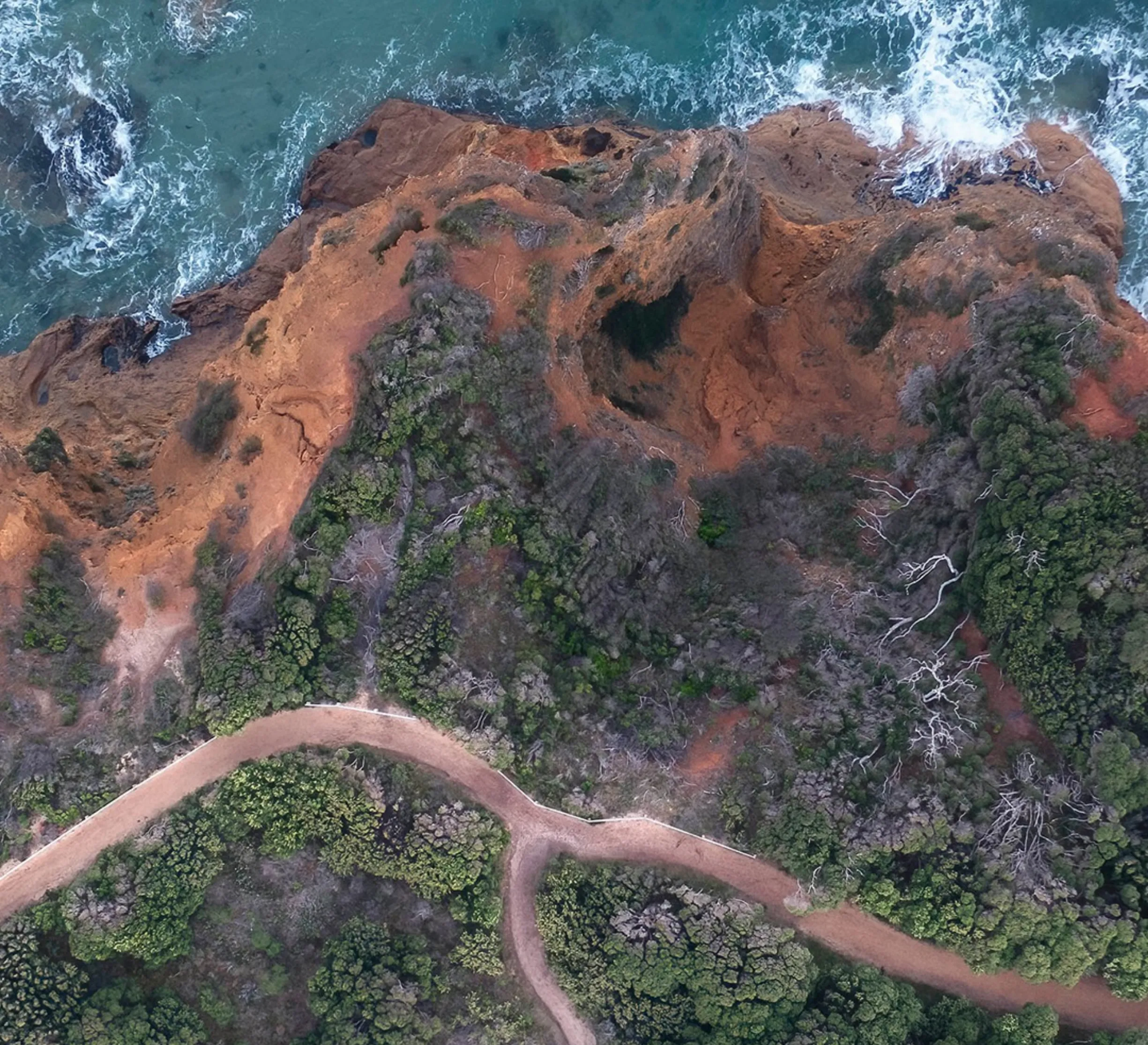
While the road is always open, choosing the right time to drive the Great Ocean Road will enhance your experience. Time of day, weather, crowds and daylight hours are all factors to consider.
- Time of Day:
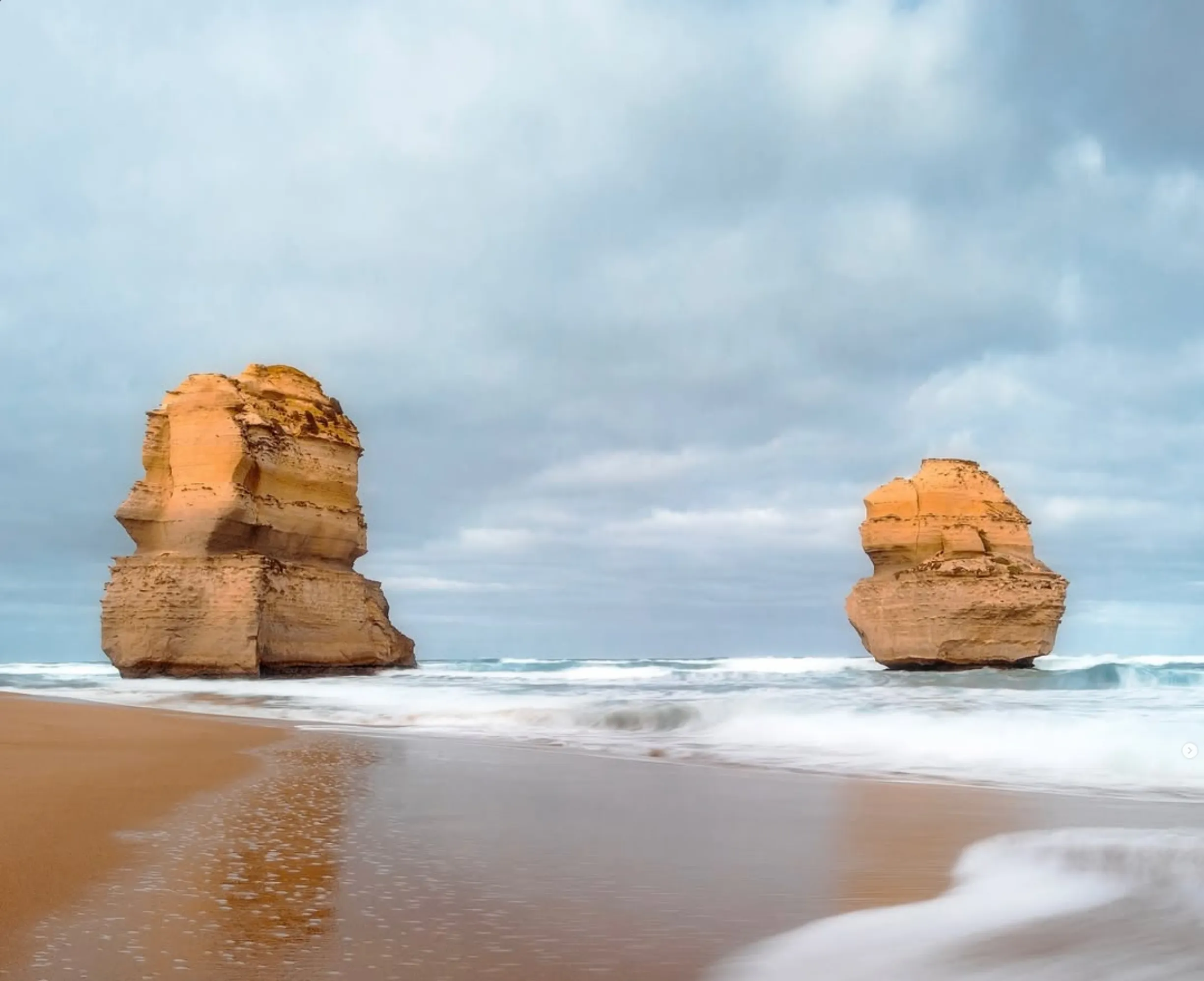
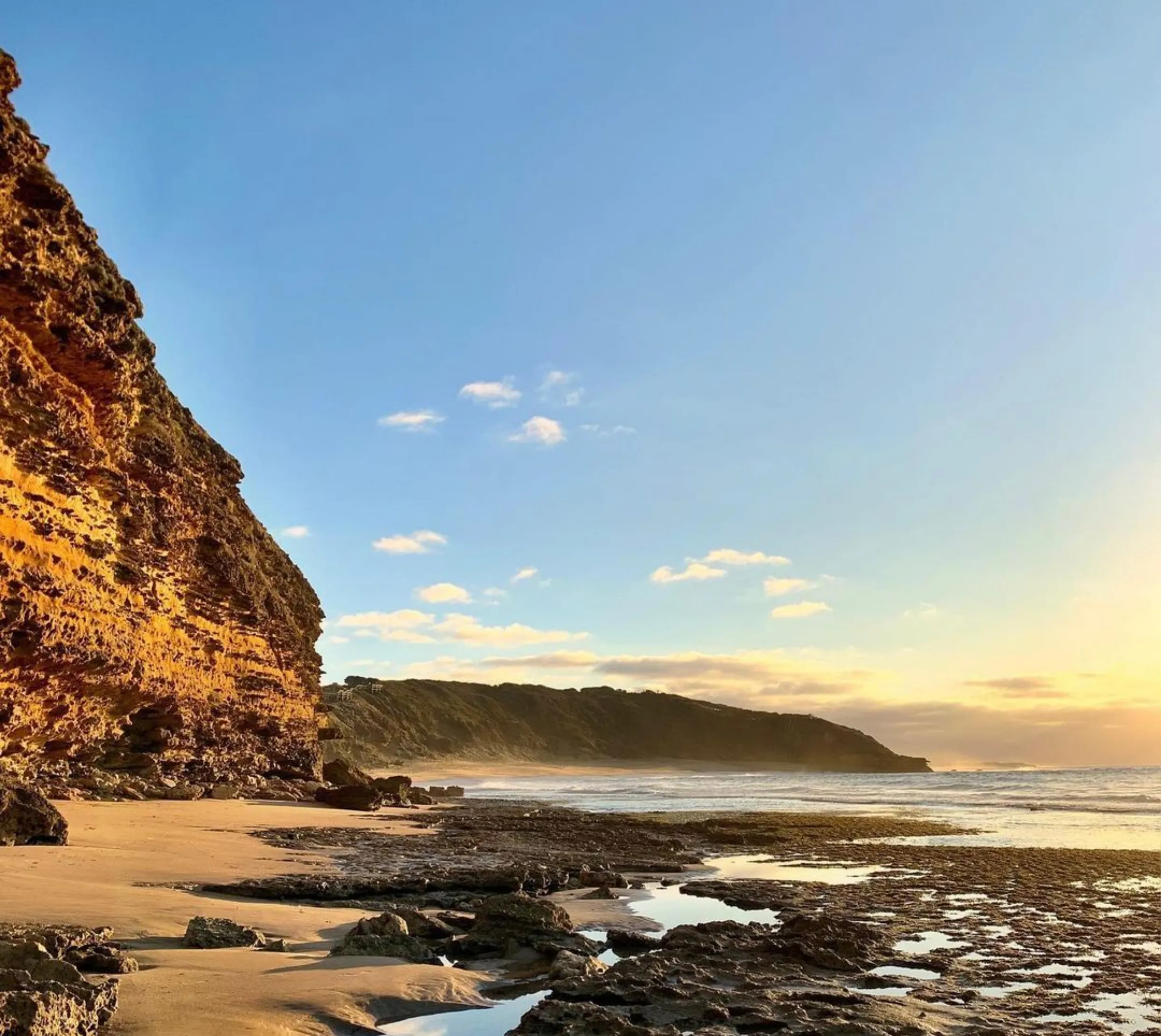
- Early morning (around sunrise) to avoid the traffic and tour buses and have a more peaceful experience at popular spots like the Twelve Apostles. Sunset is also magical especially for photography as the golden light brings out the coastal views. The Twelve Apostles at sunset is one of the highlights of this drive, with the rock formations glowing against the evening sky.
- Seasonal Considerations:
- Summer (December to February): Warm weather and long days but expect crowds, especially at Bells Beach, a famous surf beach.
- Autumn (March to May): Mild weather and fewer tourists, a great time to take it easy.
- Winter (June to August): Cooler weather and chance of rain but fewer crowds and dramatic ocean views. Coastal weather can be unpredictable in winter.
- Spring (September to November): Beautiful wildflowers and mild weather, a great time to visit.
Attractions and Opening Hours
While the road is open 24/7, many of the top attractions have specific hours. Here are some of the key sites and their hours:
- Twelve Apostles Visitor Centre: Open daily from 10:00 AM to 4:30 PM (hours may vary by season). The rock formations themselves can be visited at any time. Many visitors take a 12 Apostles tour to learn more about the history and geology of this natural wonder.
- Loch Ard Gorge: Open 24 hours self-guided.
- Great Otway National Park: Open 24 hours, visitor centres 9:00 AM to 5:00 PM.
- Cape Otway Lightstation: 9:00 AM to 5:00 PM (last entry 4:30 PM).
- Gibson Steps: Open during daylight hours for safety reasons.
- London Arch: Open 24 hours but best viewed in daylight.
- Otway Fly Treetop Adventures: 9:00 AM to 5:00 PM (a water-based adventure in the rainforest)
Check individual attraction websites for up-to-date opening hours and entry fees.
Road Conditions & Closures
While the Great Ocean Road is open year-round, road conditions can change due to weather, maintenance and unexpected events. Some factors that may impact access are:
- Bushfires: Summer temperatures can cause bushfires which may close the road.
- Heavy Rain & Landslides: In winter and after storms, sections of the road may close for safety.
- Rolling Road Closures: During events like the Cadel Evans Great Ocean Road Race, sections of the road may close.
- Maintenance & Upgrades: Periodic roadworks may require detours or lane closures. Forrest Road, Marsh Road and Princetown Road are often affected.
- Alternate Routes: Inland routes like Deans Marsh-Lorne Road and Apollo Bay Road can be used to bypass disruptions.
Check the VicRoads website or local traffic updates before you go.
Final Tips
To make the most of your Great Ocean Road trip:
- Start Early: Try to start your drive early in the morning to make the most of the daylight and avoid the crowds.
- Plan Overnight Stays: If possible, break your journey over two or more days to see all the attractions, including beaches like Johanna Beach and Milanesia Beach. Apollo Bay has great accommodation options if you want to break up the drive and experience local restaurants and nature walks.
- Fuel Up: Fuel stations are limited in some sections, so fill up when you can, especially at Apollo Bay, Lavers Hill and Port Campbell.
- Pack Essentials: Bring water, snacks, sunscreen and a camera.
- Drive Safe: Be careful on the bends, changing weather and wildlife crossing the road. Native wildlife is often seen near Kennett River and Tower Hill Wildlife Reserve.
Conclusion
The Great Ocean Road is open 24 hours a day so you can visit anytime. But to make the most of your trip you should consider attraction opening hours, weather, road closures and the best times to visit. By planning ahead and staying up to date with road conditions you can have a safe and unforgettable experience on one of the world’s most scenic drives.
FAQ
Can I drive the Great Ocean Road at night?
Yes, but not recommended due to the tight bends, wildlife crossing and reduced visibility. Daytime driving is safer and you’ll get better views of the limestone cliffs and craggy tors along the coastal road.
What’s the best month to visit the Great Ocean Road?
March to May (autumn) is ideal for fewer crowds and mild weather, summer (December to February) is great for beach activities but can be busy, especially at popular spots like Eastern View and Port Campbell National Park.
Are there tolls on the Great Ocean Road?
No, the Great Ocean Road is a public road with no tolls. It was built as a war memorial and funded by shillings for wheels collected from the public.
How long does it take to drive the Great Ocean Road?
Non-stop driving takes around 4-5 hours one way but to fully experience the road we recommend 2-3 days to allow extra time to stop at scenic spots like Blanket Bay and Moonlight Head.
Are there service stations along the Great Ocean Road?
Yes, but they are spaced out so it’s best to fill up in towns like Torquay, Apollo Bay and Port Campbell before long stretches of coastal road and national park.