You can put it in simple terms when it comes to the Exmouth Western Australia seasons: there is the hot arid climate, a summer that is as steamy as it is cyclone country, an autumn of greater comfort, a winter that is mild and much sought after, and a spring that has its winds but is worth it. The consensus among travellers is that the window between April and October is ideal for Exmouth; the heat is not so oppressive, you will see more wildlife, and there is plenty of room for excursions to the reef or Cape Range and time on the beach.
My name is Scarlett Fairchild. For those making plans for Ningaloo I have put together something practical rather than what you would find in a brochure. Exmouth is all that and more, yet it has a way of being brutally hot, unreasonably windy and rough if your expectations are off. Here you will find the ins and outs of the Exmouth climate and weather on a monthly basis, the state of the sea, the wildlife, and how to go about a trip that suits you. Understanding the Ningaloo seasons overview can greatly enhance your travel experience.
Real Conditions

On paper Exmouth is a dream with its big skies, red earth, reef and impossibly blue water. In reality the weather is what makes or breaks you here, deciding if a day of snorkelling is magic or a chore, or if your car is an oven come morning tea.
I would say plan on conditions and leave the fantasies at home. One has to consider the wind, humidity and school holidays, to say nothing of the tropical cyclone season.
A Quick Look At The Climate
The short of it is that most people will be happy from April to October. You get a dry season comfort, the wildlife puts in an appearance and a midday walk does not feel like slow roasting.
Situated on WA’s North West Cape some 1,250 km north of Perth by road, Exmouth has a climate of desert heat and Indian Ocean influence with the odd seasonal change in the wind. According to the Bureau of Meteorology climate information, northern WA is no stranger to summer heat and cyclones, something to bear in mind in booking your accommodation and tours.
| Climate Factor | General Pattern In Exmouth |
| Hottest Period | December through February |
| Most Comfortable for Travel | April to October |
| Coldest | July for the most part |
| Wettest | Summer, particularly with any tropical systems |
| Cyclone Risk | November to April |
| Marine Wildlife | Best from autumn to spring (varies) |
| Sea | Cooler in the winter but you can still swim; warmer in summer/autumn |
Summer Heat

From December to February it is more than hot in Exmouth. It is draining and sticky and stormy, and a postcard does not do it justice. The wet season has its say even if Exmouth is drier than the Top End.
An honest word from me: if you are the type to wilt in the heat or let a change of plans due to weather get under your skin, look elsewhere this time of year. Summer is for those who are flexible and can handle themselves.
Humidity, Cyclones And The Like
Expect the thermometer to read high 30s °C in the day and higher during a heatwave. Humidity is up on the winter figures and overnight relief is not guaranteed. Then there is the cyclone season with its potential for heavy rain and rough seas and the odd cancellation.
People make the mistake of thinking “coastal” equates to a pleasant breeze. Not always. A hot wind can be like having a hairdryer in your face and a long stroll on the beach at midday is something of a novice error.
For whom is summer?
It is fine for the seasoned WA traveller or a photographer after some drama in the sky, or anyone wanting to avoid the hordes. But not for first timers with a list of wildlife to tick off or families in need of a reliable day at the beach.
Should you have but a single day in Exmouth in the height of summer, make for Ningaloo Reef or the National Park in the early hours and be in the shade by late morning. Put too many demands on a roasting day – the gorges, the town, the reef and a sunset – and it will fall apart.
Autumn
Then comes the sweet spot of March to May and Exmouth is a good deal more agreeable. As the summer edge of things starts to mellow and the sea retains its warmth, Exmouth’s whale shark season is attracting the sort of notice that puts it on every traveller’s wish list.
I would be the first to put in a quiet word for first-timers to come in this time of year. There is no blast furnace of high summer to contend with; one has swimmable water and wildlife at hand in all comfort.
March: A Transition
There is still heat and humidity to be had in March, in the early part of the month at least. Some of the uncertainty that lingers from cyclone season can be felt too, making flexible bookings and travel insurance a sensible precaution. Do not let the word “autumn” conjure up images of cardigans as it does for some; in Exmouth it is more a matter of lighter heat than you would have in January.
April to May: Where the Balance Lies
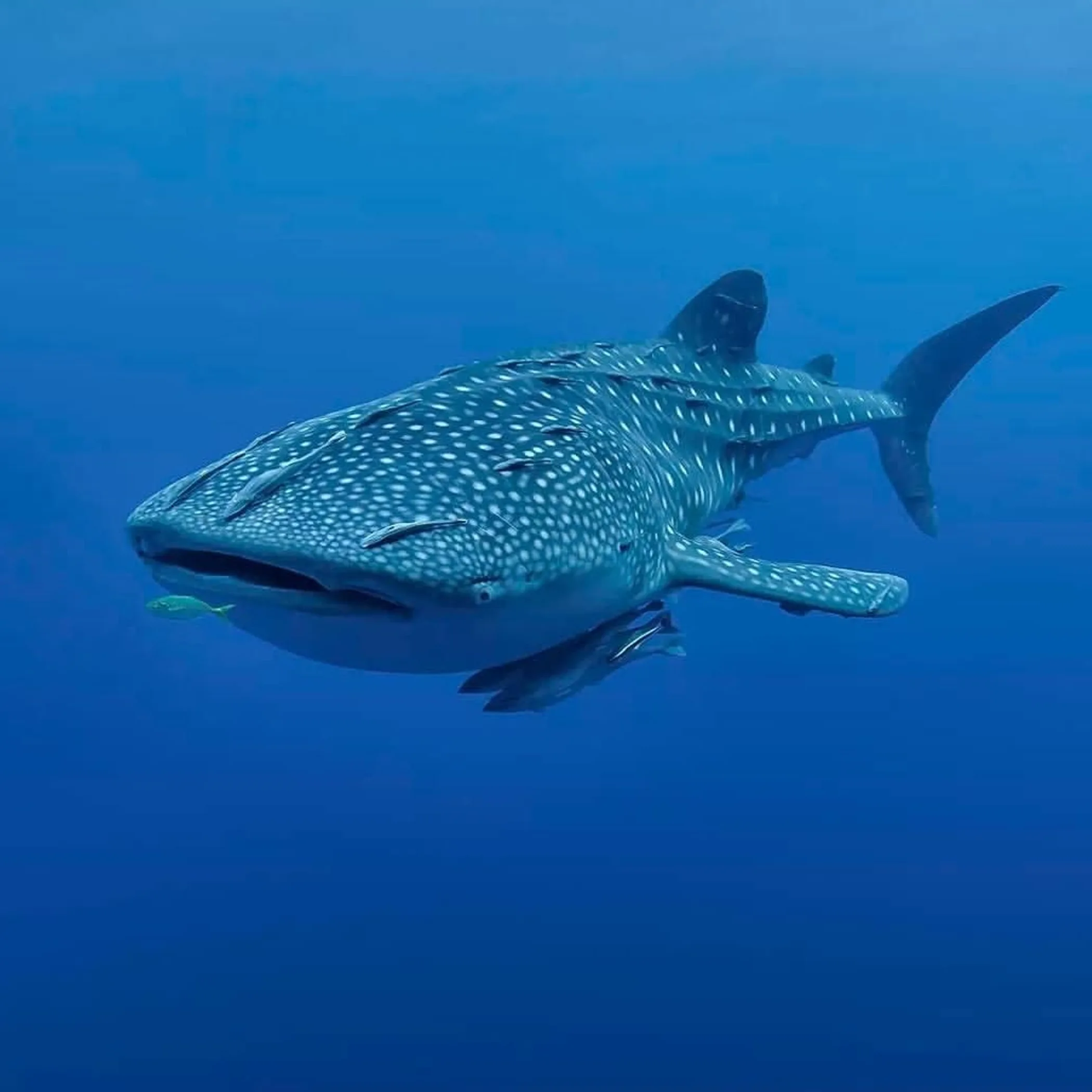
These two months are much of what makes the premium travel window of April through October so desirable. You will find the day-to-day comfort better and the sea warm enough for good snorkelling or a boat out on the beach. The Ningaloo Reef seasons put on a fine show for marine life of all kinds. Whale sharks tend to be the star attraction once the coral has spawned and demand from visitors is up. Make your tour reservations in advance, do not count on putting it off till you are in town.
Exmouth in Winter

June to August is when Exmouth is at its best for the mainstream traveller. With clear skies and milder days there is no question of being worn down after long hours outside. It is peak season for good reason; dry, sunny weather and top notch marine life are a combination others have cottoned on to as well.
Mildness and Demand
The climate is at its mildest in winter. July is generally the coldest but daytime temperatures are pleasant rather than onerous and nights run cool by local standards. Yet an Exmouth winter is not to be confused with what one finds in the south of Australia, there is no frost to scrape off the windscreen. What you have is a very workable North West WA which is why you will see accommodation and car hire go on the books well in advance.
For the Humpback and the Walker
Humpback whales make their way through the region in these months and are a big seasonal pull. One could say it is prime time for them. Cape Range National Park is also well worth a look in winter for a walk or a trip to the gorges and beaches, none of which are as much of a pleasure in the middle of summer. To be active is easy here, at Turquoise Bay or Yardie Creek or wherever the reef access is, you are not always in search of a patch of shade and cold water.
A Wild Card in Spring
Those who want the warmth back but not the summer chaos will find September to November has its appeal. The ocean is as inviting as ever and the wildlife is there to be seen while the crowds may thin out a little between the holiday periods. Then again, the wind in spring has a way of catching you unawares. Conditions at sea and your own comfort are more of a day-by-day proposition than you might think.
October in Particular
There is a lot to like about the Exmouth weather in October, it occupies a convenient middle ground. The humpbacks are still around in the late season as are manta rays, and the snorkelling is of a quality to make it a fine month. If the whale sharks are not the only thing on your mind, October is a shrewd choice for many, allowing you to have the best of the Ningaloo Reef without the winter booking hassle.
November
You will see the temperature put in a harder climb in November and some of the hallmarks of summer creep back in. It is a good trip provided you put some north-west thinking into it: get an early start, drink up and leave the afternoons open. People have a tendency to overestimate what they can accomplish in a day. On paper the distances in the Cape Range and Exmouth seem nothing to write home about, but in practice you will be put off course by a sandy track or a wildlife spot or ten minutes’ drift on the reef and a swim.
Month By Month

To cut through any waffle, have a look at our table of Exmouth weather by month for a clear view of the year. They are ranges for your planning, not guarantees, since the local conditions have a habit of changing from one year to the next.
Treat this as a means of planning, but put it to one side and see what the marine conditions and the latest forecasts have to say as departure time draws in. A gusty front is all it takes to turn a fine day into a choppy one in such an exposed locale.
| Month | Typical Conditions | Approx Air Temp °C | Approx Sea Temp °C | Travel Notes |
| January | Very hot and humid at times with a risk of storms. | 28–38 | 27–29 | For those who can stand the heat. |
| February | Cyclone risk lingers in these very hot conditions. | 28–38 | 27–29 | Be prepared to be flexible with your plans. |
| March | A transition month; still warm but the heat is ebbing. | 26–36 | 27–28 | Transition month, still warm |
| April | More comfortable warmth. | 23–33 | 26–27 | An excellent way to start the reef season. |
| May | Pleasant nights and warm days make for a strong all-round month. | 19–29 | 24–26 | Strong all-round month |
| June | You will find peak travel conditions here, mild and dry. | 17–26 | 22–24 | Peak travel conditions begin |
| July | The mildest of the months and cool enough for whale watching and a good walk. | 16–25 | 21–23 | Great for walking and whales |
| August | Popular and sunny. | 17–26 | 21–23 | Busy but worth it. |
| September | A fine shoulder season to be had, with some more breeze as it warms up. | 19–28 | 22–24 | Great shoulder season option |
| October | One of the better all-round months, often splendid for being in the water. | 22–31 | 23–25 | One of the best all-round months |
| November | Variable wind and the temperatures are on the rise. | 24–34 | 24–26 | Good if you handle the heat well |
| December | Summer makes its presence felt. | 27–37 | 26–28 | Make an early start of it. |
Match Season To Activity

There is no magic month for Exmouth so much as the right one for your purposes. Whale sharks, humpback whales, fishing, snorkelling or turtle nesting all have their own particular sweet spot.
A Ningaloo seasons overview is useful to have. Rather than wondering when to go, consider what you are after and what you are willing to give up.
Whale sharks: from April through the winter and autumn is usually best, though tour operators and the season will dictate the timing.
Humpback whales: you will find them in force from winter to spring, say June to October.
Snorkelling and diving: for a combination of comfort and good conditions, April to October is hard to beat.
Turtle nesting: a warmer affair, to be found in late spring and summer.
Manta rays: local conditions and how the tours are running will determine if you see any, but they are possible in many a month.
Fishing: do not rely on the internet for this. Wind, access and the species in question mean you are better off taking local counsel.
Getting There Without Drama
Proper planning is something that is rewarded in Exmouth, given how remote it is. It is not hard, but then again there are catches to be had with both the drive and the flight from Perth, particularly when the weather is up or it is a busy time of year.
Flights, Roads, And Timing
The quickest way is by air to Learmonth Airport some 36 km south of the town. You will need to put a hire car on the road to get to Cape Range and the various beaches and reefs unless your tour has transfers covered.
From Perth it is 1,250 kilometres and 12 to 14 hours on the road in decent weather, yet the sensible thing is to break the journey up. Out here you have to contend with the heat, wildlife and road trains. It is no place to find out your patience is thin and your tyres are bald.
Access, Parking, And Distances
By WA standards getting to Ningaloo and Cape Range National Park is simple enough, but the distances will tell. Turquoise Bay is 60 km from Exmouth and before you know it a half-day of sightseeing has become a full one.
In peak season the parking at the favoured beaches goes quickly. Get in early for a bit of calm and to avoid the tinnies putting in an appearance.
Practical Tips That Matter
This is where trips are made or unmade. One does not find Exmouth to be difficult, yet it will make you pay for any sloppiness in your planning when it comes to the heat, the sun, road miles and water.
“I would have to say the sun here is savage,” says Scarlett Fairchild of the skin clinic. In a southern city you might get by with a lazy smear of sunscreen; in Exmouth you will be put in your place by lunchtime.
Pack proper sun protection: long sleeves, reef-safe habits, hat, sunglasses, and more water than you think you need.
Book key tours early in peak wildlife months, especially for whale sharks and humpback whale swims.
Check marine forecasts, wind, and road conditions the day before and the morning of your activity.
Start outdoor plans early. Midday is often best for floating or shade, not ambitious hikes.
Carry snacks, fuel up early, and do not assume there is a handy servo or cafe wherever you stop.
If staying somewhere premium like Sal Salis or near Cape Range, confirm transfer and access details before arrival.
What Catches Travellers Out
There are a number of things that will trip people up in Exmouth time and again. Underestimating the sun is one. Another is the notion that the sea will be as good as a postcard from morning to night. Then there is the matter of just how remote this part of WA is.
Some will tell you “winter” means freezing water. Not so. You can still swim and snorkel in comfort for much of the season, certainly more so than down south. More often than not it is the air and the wind that has you feeling cosy or otherwise.
A Matter Of Timing

For a straight answer as to when Ningaloo should be on your itinerary, the period from April to October is hard to fault. May through to October all have their merits. Put the emphasis on the earlier side of that for the whale sharks, or winter into spring for humpbacks and less inclement weather. For ease all round, one could not argue with April, May or October.
Exmouth is generous to the traveller who has his experience suited to the season. Do it right and this corner of WA will show you its best. Do it wrong and you will be out in beautiful water but also chasing shade and working up a sweat, and you will come to respect the north-west for it. That is my take on the Ningaloo seasons, from Scarlett Fairchild.
FAQ
What Is The Best Month To Visit Exmouth, WA?
May and October tend to be the best all-round for most, with warm water and no trouble getting to the reef. But if it is whale sharks you are after, you are better to come from April and on into winter.
Which Month Is The Coldest In Exmouth?
July is usually the coldest. By Australian standards however it is mild, perfectly fine for a day in the sightseeing or to explore Cape Range National Park.
What Is The Weather Like In Exmouth Year-Round?
It is a hot arid climate. Summers are very hot, winters are popular and mild, and springs warm up and can be windy. Rainfall is low for the most part unless a tropical system or summer storm comes through.
What Is The Best Month To Go To Ningaloo?
You will not find a month that is perfect for every taste, but the sweet spot is April to October. Whale sharks and warm-water reef excursions are what you will find in April and May; humpbacks and milder weather for touring in the winter and spring.
Is Exmouth Weather In October Good For Snorkelling?
Very good. The water is pleasant and the air is warm without being extreme. It is a strong shoulder-season month, provided you have checked the wind beforehand.