The counsel in this 2026 visitor guide for Kakadu National Park is straightforward: put more time in than the map would have you believe, make your plans with the season in mind and consult an up to date access report before you head out. Then there is the matter of size; Kakadu is a vast and weather dependent place where a road can go from smooth to rough as guts in the wake of heavy rain. You could do a day trip in a hurry but to get a proper measure of the wetlands, rock art, Aboriginal culture and waterfalls, three to five days is better.
My name is Scarlett Fairchild. I put together travel advice for those who prefer to be in the know about mozzies, fuel and locked gates on arrival. Here are the practicalities one is likely to need in 2026 for a visit to Kakadu National Park: the pass, transport, accommodation, what to do and so forth. But conditions have a way of changing so let the official park update be your last word before you depart.
Kakadu At A Glance
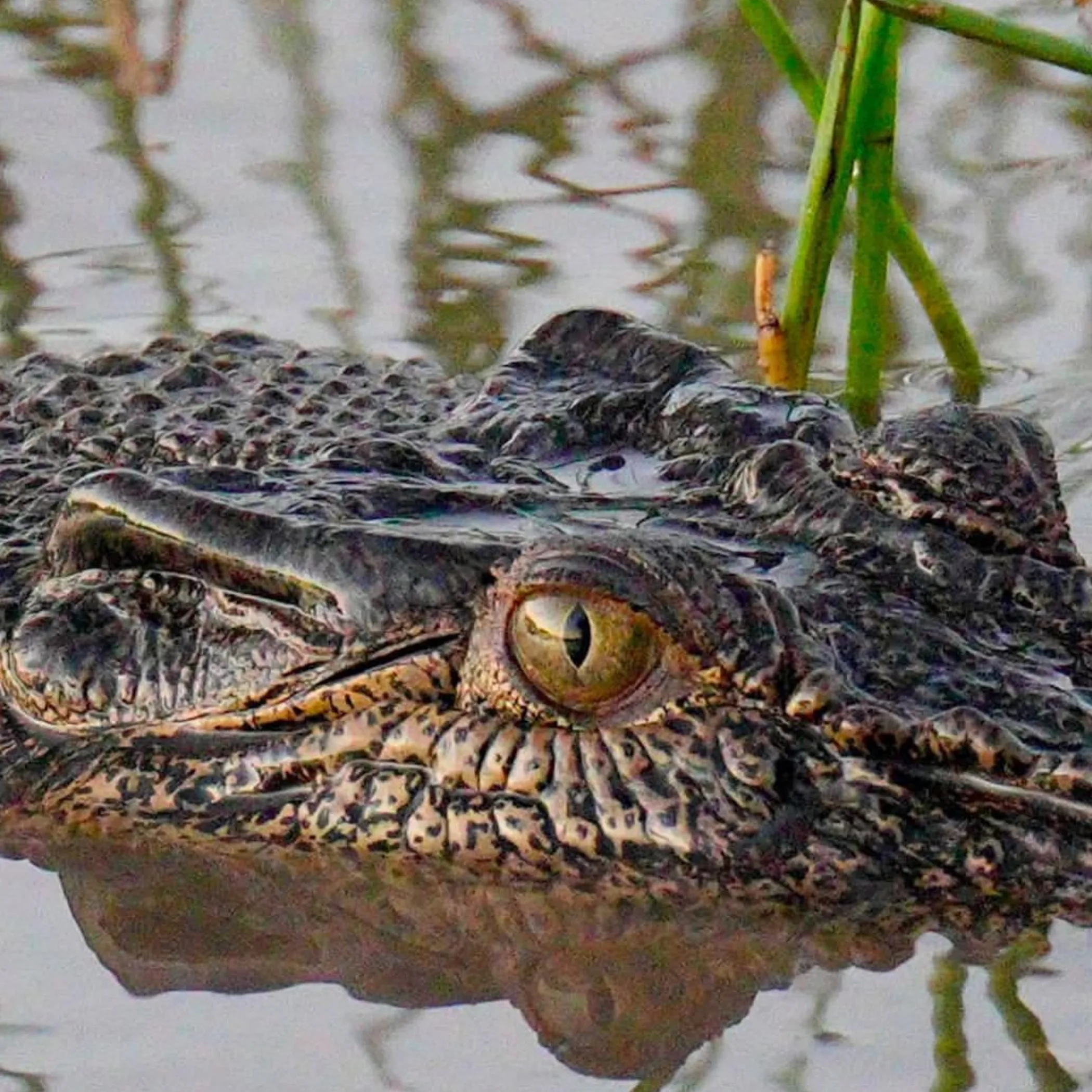
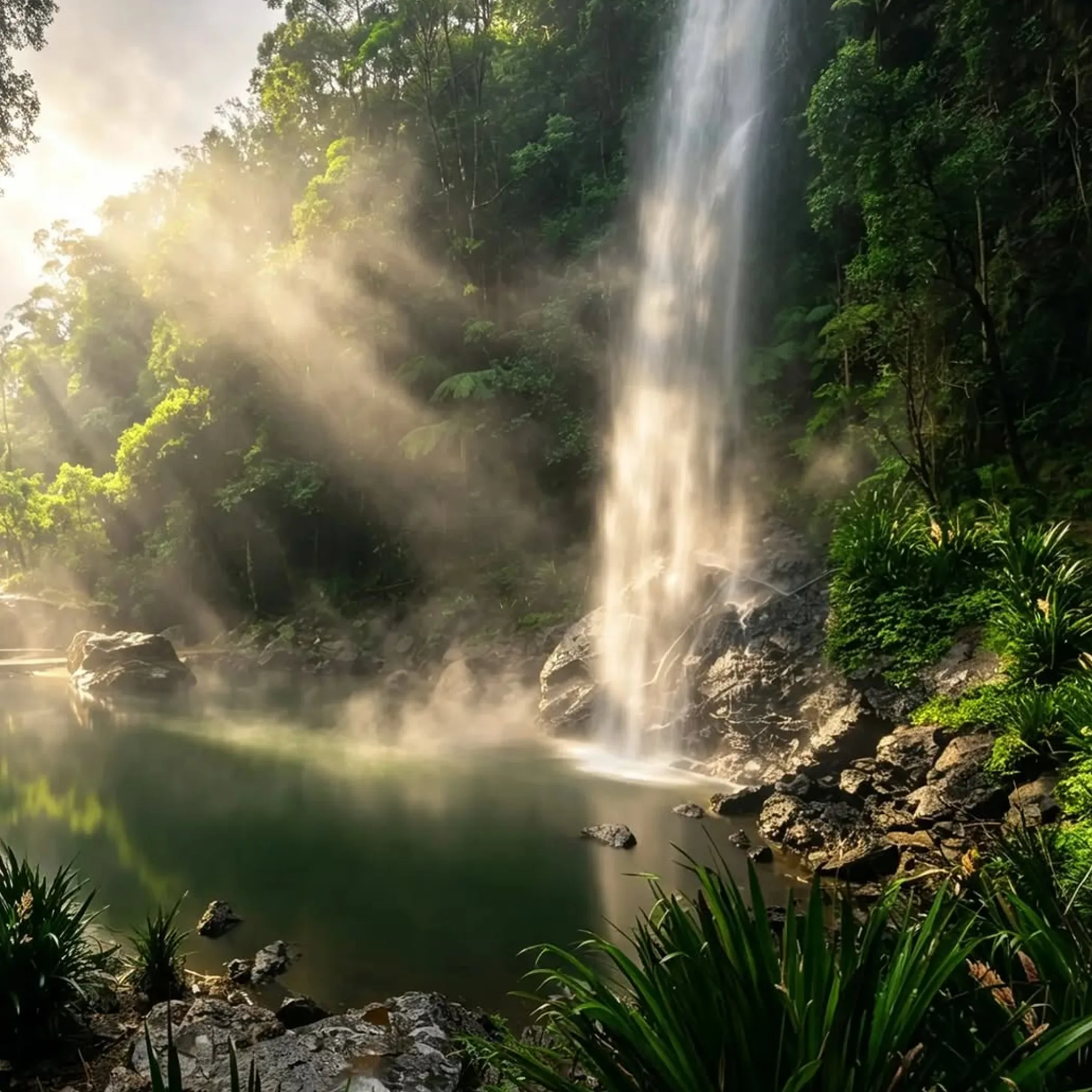
This World Heritage national park in the Northern Territory is something of a road-trip from Darwin, not a jaunt to the suburbs. The likes of Jabiru, Cooinda, Bowali, Yellow Water, Ubirr and Nourlangie are among the principal areas for visitors, as are Jim Jim, Twin Falls in Kakadu, Maguk and Gunlom Falls.
You will be rewarded for taking your time in the park. There is no end of Aboriginal rock art, walking tracks, rangers and bush road to be had along with places to swim. Yet you cannot get to everything at once. What is open is at the mercy of the wet season, flooding, crocodiles or a bushfire.
Key Planning Numbers
Take these as ranges for your planning, not guarantees. How long it takes to get around is a function of the weather, the surface of the road, any wildlife you come across and if your vehicle is up to 4WD work.
| Trip length | Best use | Planning reality |
|---|---|---|
| 1 day | One major area | Stick to a cluster off the main sealed roads and don’t try to see it all. |
| 3 days | The classic first visit | Enough to put in a longer drive or cruise and cover some of the wetlands and rock art. |
| 5 days | For a more leisurely exploration | You have the option of a 4WD site and ranger activities should the weather be kind. |
| Dry season | Most predictable access | By far the most predictable for a road trip or a walk. |
| Wet season | Green landscapes and storms | Expect heat, humidity and the prospect of closed routes. |
Passes, Dates And Closures
A Kakadu National Park pass is required of most before they start exploring. Don’t go by an old blog post or a screenshot when it comes to rules, prices and validity; verify with Parks Australia. Their site is the sensible source for current information on the 2026 access and any closures.
For the latest park pass information, opening status and visitor guidance, use the official Parks Australia Kakadu National Park information. It is also the sensible place to check current access and any closures before travelling.
Check Before You Drive
Just because Kakadu National Park is open does not mean every track or campground is. A road may be open to a point and then restricted after rain or maintenance.
- Make sure you have proof of your pass.
- Before you leave Darwin, Jabiru or Cooinda read the access report.
- Check road conditions, fuel range, weather warnings, crocodile notices and campground availability.
- Put aside the map app and put in a call to the Bowali Visitor Centre for local conditions.
- If you are using 4WD access or venting onto a remote track, let someone know where you are going.
There are seasonal operating periods for some sites and others will close without much warning. Hot spells can bring bushfire closures and from November through April a cyclone alert may impact travel in the north. When an official sign or a ranger has a track marked as closed, take it as such. It is the park’s way of sparing you an unpleasant afternoon.
Choose Your Best Travel Season
How much uncertainty you are prepared for will tell you when to come to Kakadu. The dry season is easier on the walker with its comfortable conditions and reliable roads, the wet offers a spectacle of storms and full waterways but can be awkward from a logistics point of view. One is not necessarily superior to the other; the dry is apt to be hot and crowded. Do not pack for the postcard image of a place, but for the experience you are after.
Neither season is automatically better. The dry is apt to be hot and crowded, while the wet can be spectacular but awkward from a logistics point of view. Pack for the experience you are after.
Practicalities of the Dry Season
You will find most travellers in the dry season have their days mapped out for rock art and wetlands, for lookouts and any organised activity on offer. While the roads tend to be more predictable, do not be surprised if the better accommodation is already taken or popular sites are full by early in the day. Make it a point to put in more water than you would think necessary and get your walks in before the afternoon heat is at its worst.
For those making a first visit, or with a family, or who do not have a 4WD of high clearance, this is generally the most straightforward time to be here. It is also when one is apt to misjudge distances. What may appear as a short route on the Kakadu National Park map can mean slow going, corrugations and a long way back.
Then there are the realities of the Wet
The skies are theatrical and the country lush in the wet season, yet heavy rain has a way of putting an end to access at campgrounds, waterfalls and other remote places by flooding the roads. Walking demands more of you in the humidity; a track that looks fine on paper becomes something of a trial when you are hot and damp and every mozzie in the Top End has you in its sights.
Be sure to consult the official closures and the storm and cyclone forecasts on a daily basis. Do not wade into floodwater, heed the crocodile warnings and never take it for granted that a storm has left a well-known route safe. In the wet you need some flexibility and a plan B rather than an itinerary packed too tight.
Making Your Way to and in the Park
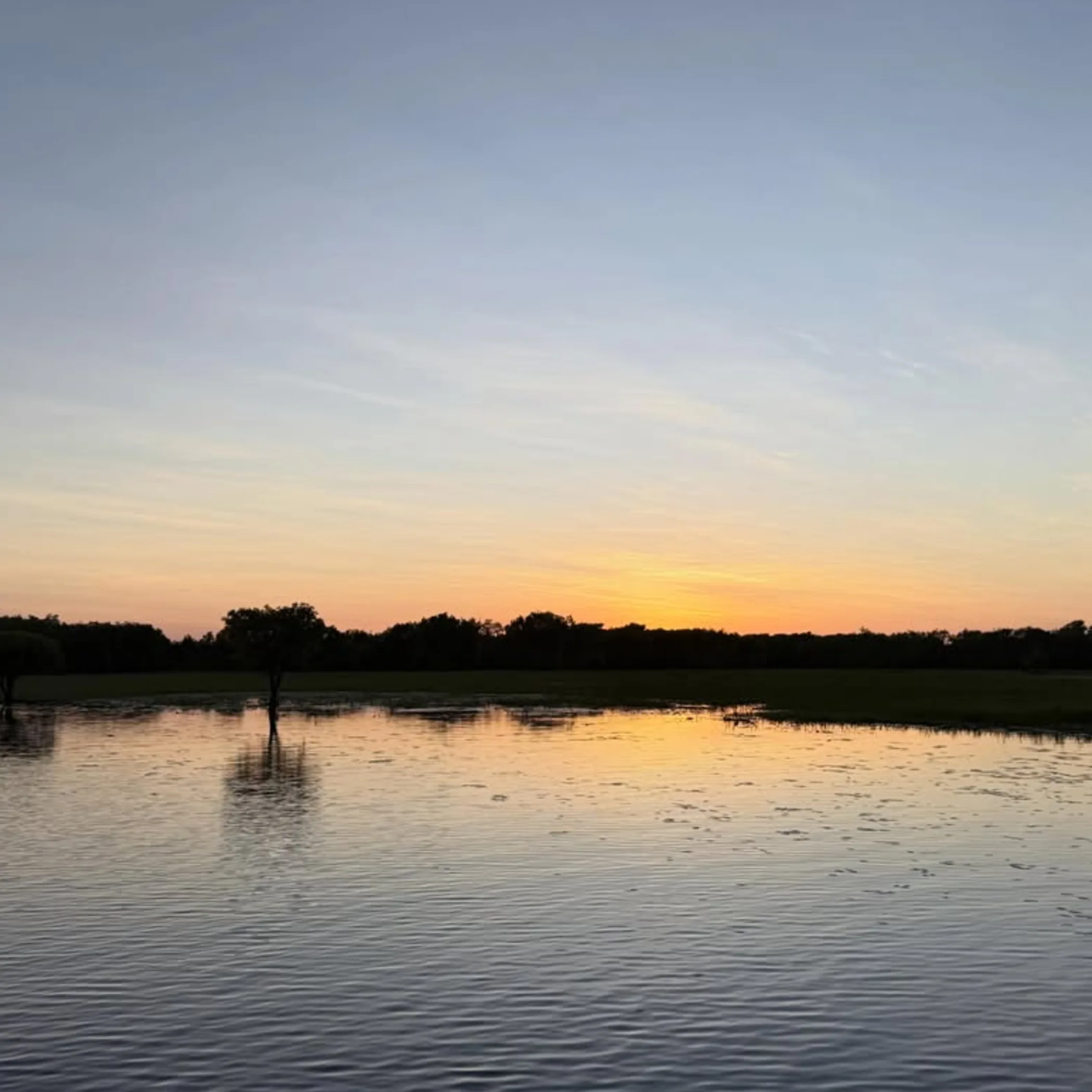
A road trip to Kakadu normally commences from Darwin. From that base one might make use of a private vehicle, a tour, a campervan or car on hire. There is little in the way of public transport within the park so anyone wishing to cover ground between far-flung sites should have transport sorted prior to getting there.
Some of the more remote attractions are only to be had via gravel or a true 4WD, even though the main routes in well-trodden areas are sealed. A standard hire car will not do for all tracks and the agreement may preclude unsealed or restricted roads, so verify what your vehicle can handle before you set off.
On Driving and Fuel
There is no room for option when it comes to fuel. Put in extra time for the odd stop, for wildlife and road trains, and for any roadworks, and have your drinking water. Coverage is patchy at times so keep your maps and accommodation details downloaded.
Jabiru and Cooinda serve well as bases. The Bowali Visitor Centre is where you go to get an idea of conditions and what is available. Should you be thinking of driving to a West Alligator Head waterfall or a Karnamarr type of remote campground, look up the road information first.
Wildlife will be about the roads at dawn and dusk. Keep your distance, do not feed them and slow down. As for the waterholes, they may be inviting but crocodile safety is still in order. “Just a quick dip” is not how one should approach things in Kakadu.
Activities in the Park
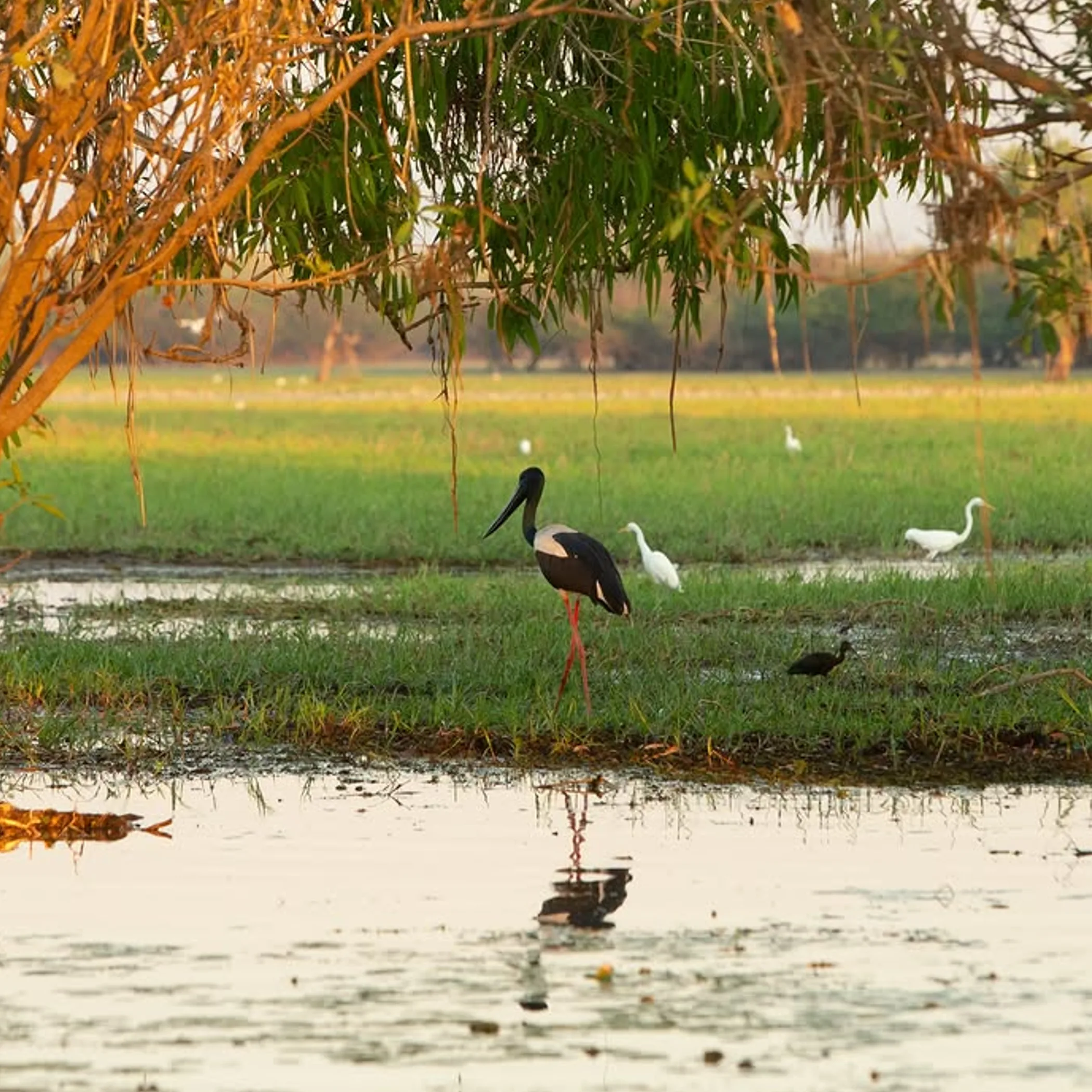
The environments in Kakadu are varied so build your day around an area instead of ticking off attractions as if they were fridge magnets. One walk or lookout, a cultural site and a wetland or wildlife encounter will make for a good plan.
An activity with a ranger will give you context over and above a signpost, not least where Aboriginal culture and the law of the Country are concerned. See what is on the programme ahead of time as some are seasonal or only run certain days.
Yellow Water and Beyond
One of the simplest ways to put in some time in the wetlands is a Yellow Water Cruise. You are given a route through the bird habitat and crocodile country in changing light without the hike. Arrive with some patience and sun protection and book in advance when it is busy.
It is not a theme-park affair. The season and the state of the water will dictate what you see and there are no guarantees. Accept that and have your camera to hand but do not look through it for the duration of the cruise.
Rock Art
Nourlangie and Ubirr figure in most first visits for the cultural interpretation, the art and the short walks. Observe the rules and read the signs. The art on the cliff is not for show, it is story and knowledge.
For further context on the landscape the Warradjan Cultural Centre is worth a call in. So too is Bowali for a map and some planning advice. They are not there to while away a rainy afternoon, but to stave off some poor decisions later on.
Waterfalls, Walks and 4WD
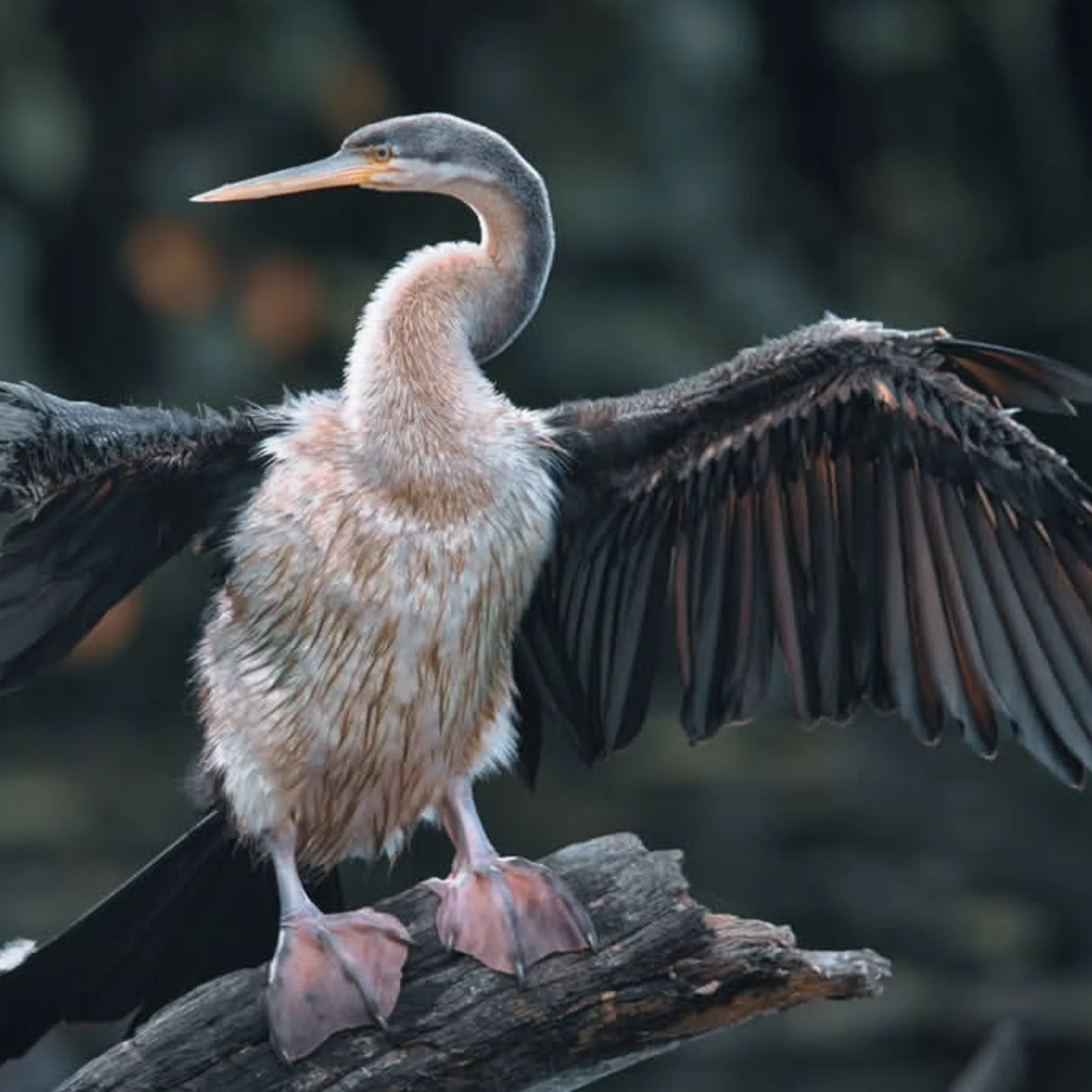
There is no more popular drawcard in Kakadu than a waterfall, yet they are where any lapse in planning will be made plain. Seasonal access, the odd rough road, heat and uneven footing underfoot or swimming rules are part and parcel of a trip to Jim Jim, Maguk, Gunlom or Twin Falls.
One does not want to be a casual “turn up and see” type at Twin Falls; it is not suited to that sort of approach. Whether you can get there is a matter of water levels, closures and what your vehicle can handle. Have a look at the access report and put aside time for the way back as well as the more interesting end of the day.
Know Your Tracks
Expect sand, exposed rock, steepness and creek crossings on some walks. A beginner would be wise to stick with shorter, well-marked tracks and steer clear of the remoter ones when the day is at its hottest. For those with a medical condition, limited mobility or not much bushwalking behind them, the staff can advise on present conditions and what else is available.
And do not think a 4WD negates risk. It can mean dealing with corrugations and tyre pressure, and if there is a problem recovery and response times are longer. Make sure you have water, sun protection, a first-aid kit and a plan for communication. Four driven wheels are no magic wand in bad weather.
Put In The Time
From campgrounds to proper cabins and rooms, accommodation is to be found in keeping with the season and location. Jabiru and Cooinda make a workable base for most. Those who do not mind the heat, the insects and what facilities there are will find camping to their liking.
When the time comes to book for a busy period, confirm the inclusions. A room might be handy for one attraction but put a long drive between you and another. On a map a campground may seem right on your doorstep but after a hot day on the track it will feel a good distance out.
How Long To Make Of It
A single day will do for a focused introduction, be it to the wetlands or the rock art and culture. Do not attempt to fit in Ubirr, Yellow Water, waterfalls and remote roads in one go; the afternoon will be spent in the car and you will have to call it sightseeing.
For a first time around three days is better. Put in a fourth or fifth for the sake of weather flexibility, a ranger-guided outing or an adventure that requires 4WD. It is the option for families, photographers and anyone with no desire to rush.
- Day one could be a visit to Bowali Visitor Centre to get the lay of the land, followed by a cultural site and walk within easy reach.
- Day two is for Yellow Water or similar, unhurried enough to take in the wildlife.
- By day three, once you have verified the safety and road situation, you can put in a longer walk or head to a waterfall.
Questions About Kakadu
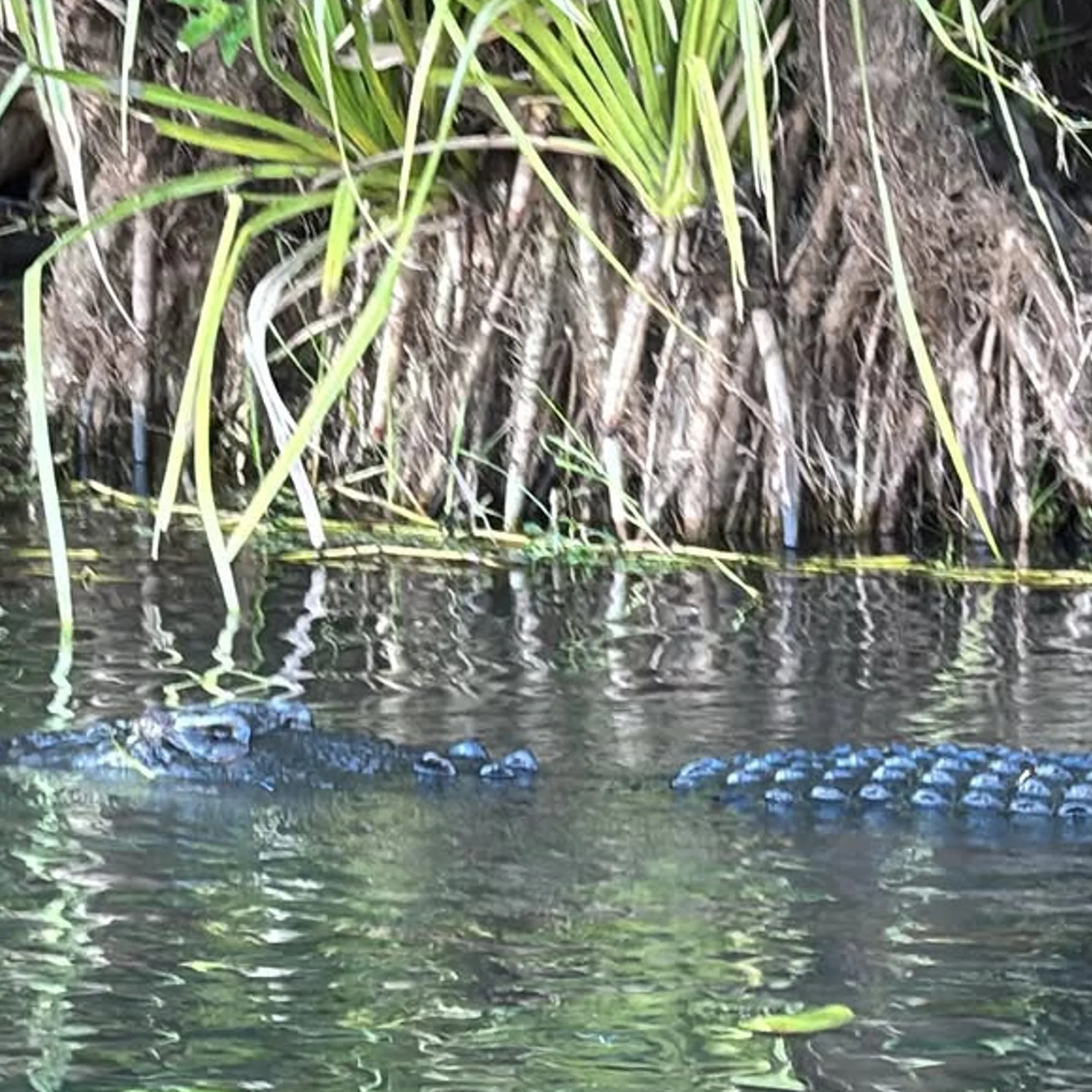
The kind of questions that come to mind when the brochure is put aside and the fuel gauge is being a little judgemental. Use the following in your planning but before you set off, verify with Parks Australia as things have a way of changing.
Is the park open all year?
You can visit Kakadu year round though not everything will be operating as normal. Flooding in the wet season, storms, fire or crocodile safety can put a stop to access to certain sites and roads. Do not assume the whole of the park is open, check the report.
Will I need a pass?
For the majority of visitors a Kakadu National Park pass is a must. Rules and prices can vary from one category of visitor to another so it is best to confirm with Parks Australia ahead of time, should you be booking a tour or are in for several days.
Can I make do without a 4WD?
Many of the more popular spots can be done without one if you are on accessible routes and conditions allow. But rain can render some places unsuitable for a two-wheel-drive. Do not put stock in a generic map, get the road advice for the site in question.
Is it safe to have a swim?
Only where the park says you can and signs are in place. There are strong currents, slippery ground and crocodiles in the waterways. Should an area be closed, do not consider the barrier a challenge put there by nature.
What to have in the pack?
Sturdy shoes, a hat with a wide brim, insect repellent, sunscreen, a torch, offline maps, a first-aid kit and enough drinking water to cover delays on a remote road. A long-sleeved shirt of the lighter weight is a good thing for the mozzies and the sun, neither of which are inclined to give you space.
To Make The Most Of It
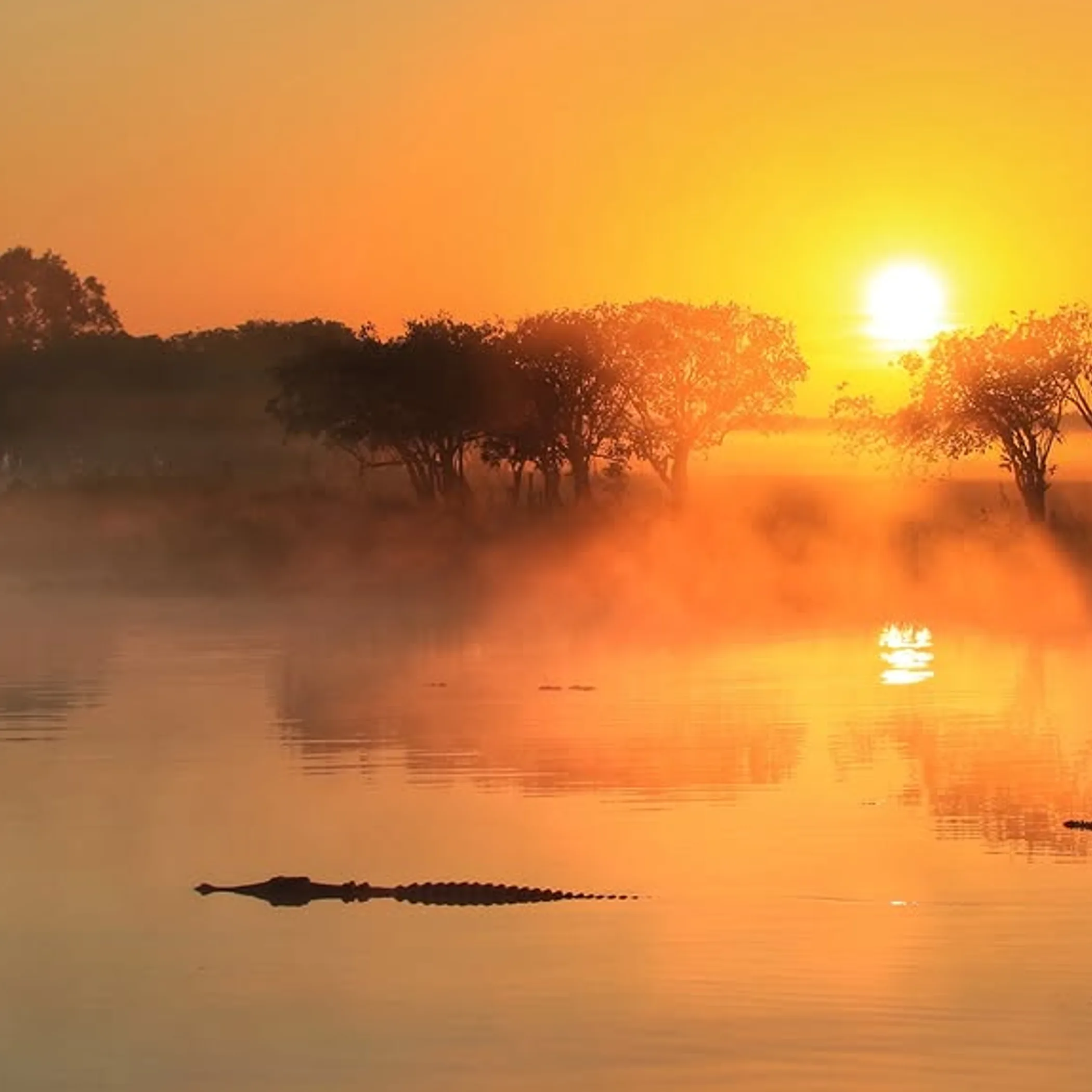
Respect for Country and sensible driving will be repaid in Kakadu. Read up on the latest closures, check the 2026 access for the National Park and the pass requirements, then pick a few sites and give them the time they warrant.
I would counsel leaving some scope for what is not on the itinerary: a storm over the escarpment, a road closure, a talk from a ranger or a wetland full of birds. Let the Top End dictate the pace and follow the local guidance. It is not that Kakadu is hard going for the sake of it, it is a big, living place and it expects you to be attentive.