When it comes to putting the machine to use, there are certain pressure cleaning regulations in Australia a homeowner has to be aware of; they pertain to things like public nuisance, property damage, safety, restricted surfaces and, not least, wastewater. Put simply, you are free to give your house a pressure wash but you cannot have detergent, paint flakes or sediment making their way into a stormwater drain, over to the neighbours or on to a public footpath.
Scarlett Fairchild here. In my experience an outdoor cleaning job is seldom as neat as the ads would have you believe. The wind will take the spray where it wants and water will run downhill; before long a spot of mould can become a slippery mess with a chemical odour about it. I put together this guide to set out the laws that should be heeded prior to commencing work, taking into account any variance in strata rules, rental terms or between the different states and council areas.
The Legal Basics
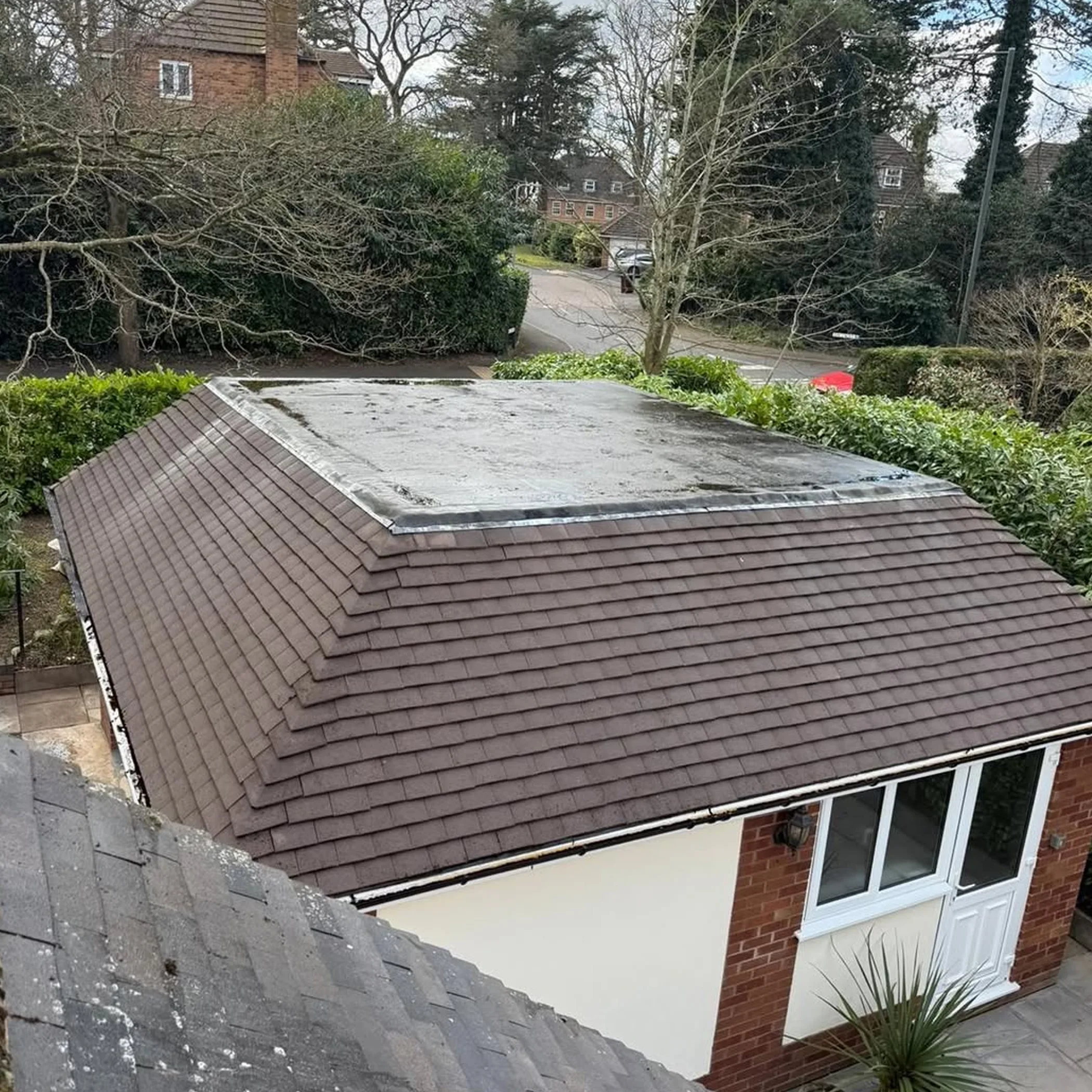
You will not find a national rule book or licence that applies to all residential pressure-cleaning. One has to make do with environmental protection statutes, water restrictions, local council dictates, tenancy and private strata conditions and the odd workplace safety consideration.
It is best to consider your walls, gutters and driveway a small worksite of sorts. It falls to you to see that no avoidable damage is done and to shield others from the noise, spray or any debris that may come down by following pressure washing safety guidelines.
Is it permissible to clean your own home?
As a rule of thumb, yes. For standard exterior work on brickwork, concrete, paving or cladding a homeowner does not require a trade licence.
There are caveats though. Should the task call for a qualified person, or if it is on public or shared strata land, or involves hazardous chemicals, work at height or asbestos, then a DIY effort is regulated. And if your efforts see fit to harm the render, mortar, window seals, a vehicle or a neighbour’s property, the responsibility is yours.
State of the law
Environmental matters are handled differently in various parts of Australia. A homeowner in Queensland would do well to be mindful of what the Environmental Protection Act 1994 stipulates, as well as any site-specific or council obligations.
Do not think for a moment that a Tablelands Regional Council ruling holds in Hobart, Perth or Sydney. One council might term a prohibited discharge pollution, another trade waste or unlawful disposal. You may come across PRMCL20B in relation to compliance or training but check its meaning first before you treat it as legal authority.
Managing the water
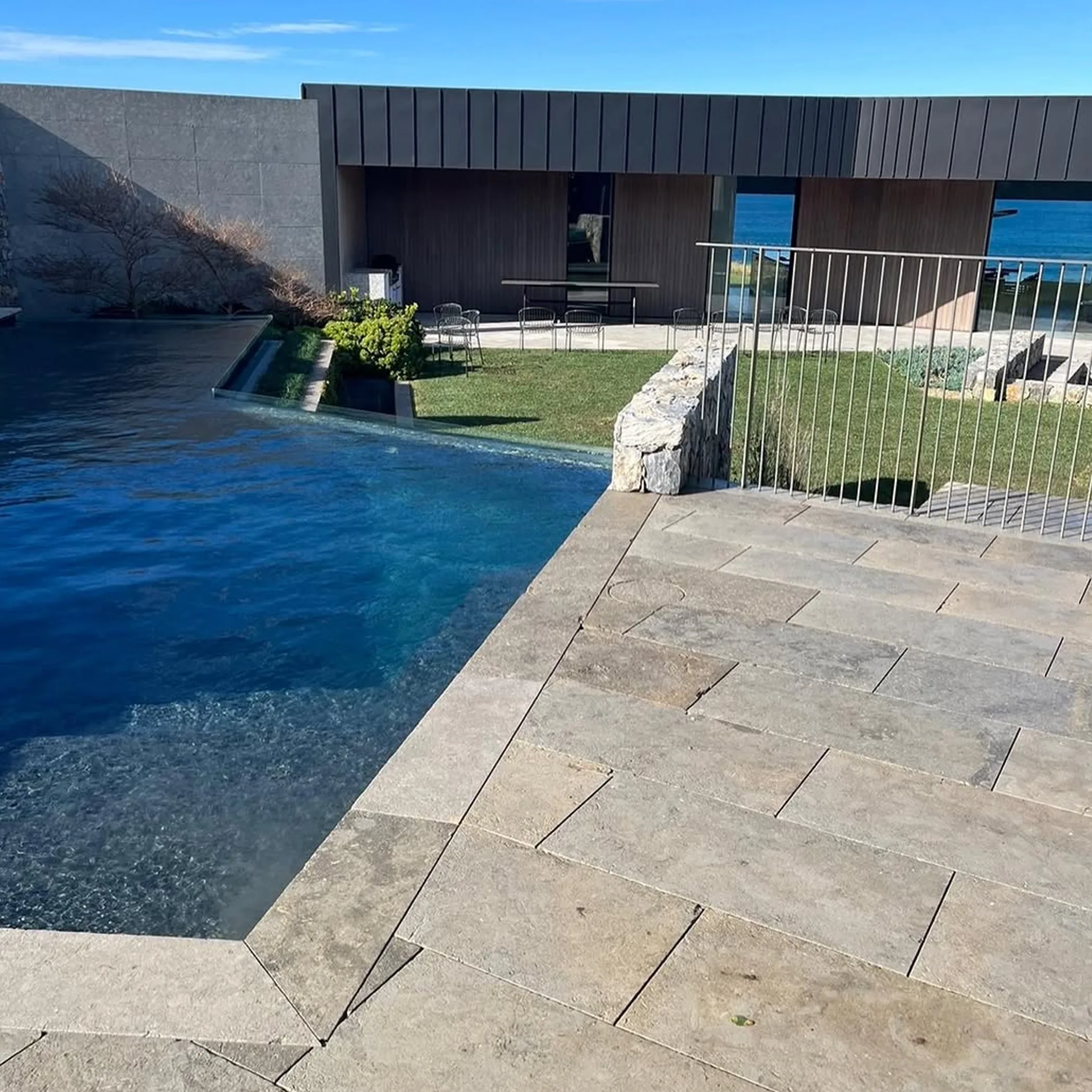
Most people get the wastewater aspect wrong. To the eye it is innocuous but in fact there could be silt, oil, heavy metals, old coating fragments and mould residue in it.
Stormwater is for rain, not for your wash water. Once it is in a roadside gutter or kerb inlet it will go further than you intend. Do not mistake a hose and good intentions for a proper plan.
See to it that drains are clear
Take stock of every low point, inspection opening and stormwater drain in the vicinity of where you are working, including those in the courtyard or driveway and by the road. Water has a way of going under gates and through gaps you might not have thought twice about.
Where you can, contain the wash water with a wet vacuum, some sandbags or a portable bund. Just be careful not to block a drain in a manner that could flood the area or encroach on a neighbour. Let any heavy sediment settle and then dispose of the water as the locality requires. Under no circumstances should concentrated sludge or paint residue be put in a garden bed or down a drain. Call in a licensed liquid waste contractor if the volume is large or the water is suspect.
Be selective with detergents
Go with the mildest product that is up to the task. Do not let the word “biodegradable” lull you into thinking it is safe to put in a pond or creek; it merely means it will break down in the right conditions.
Heed the label and dilution directions. Keep it off neighbouring property and away from vegetable gardens or pools. And unless the instructions say otherwise, do not put bleach, solvents or acids in with other cleaners. The resulting mixtures can be corrosive and give off toxic fumes.
Council And Noise Rules
There are local council requirements to be had of you that will dictate your water management, the running of equipment and where you do your washing. This is of particular consequence on a job that involves a road reserve, laneway, nature strip, shared driveway or footpath.
Then there is the matter of noise, a regulation issue with practical implications for pressure cleaning. What might seem an acceptable volume to the one operating the washer can be heard down a quiet street, over a fence or between houses.
Neighbours: Plan Accordingly
Permitted hours and the way they are enforced are not the same everywhere, so make sure you have read the residential noise guidance from your council before you set about it. In Australia homeowners will find restrictions on powered equipment in the form of rules against unreasonable noise or set times for operation.
Stick to sensible daytime hours and shun early mornings, evenings and public holidays if the community or local rules are not amenable. If the work is to take some time, put the neighbours on notice. Put some distance between the machine and any shared wall. A word with a neighbour who has an anxious pet, a baby or is off night shifts will save an otherwise unremarkable cleaning job from turning into something of a street saga.
When It Comes To Shared Property
Strata may want to give their approval for you to clean a balcony, common wall, basement, roof or exterior façade. Be mindful that water from a balcony drain, an expansion joint or a door not well sealed can make its way into another lot.
A tenant would do well to consult the lease and the agent or landlord prior to putting out strong chemicals or gear. For those in a community-title development, by-laws as much as council rules should be reviewed. But having approval is no absolution from the obligation to see that no damage or pollution is done.
Asbestos And The Like
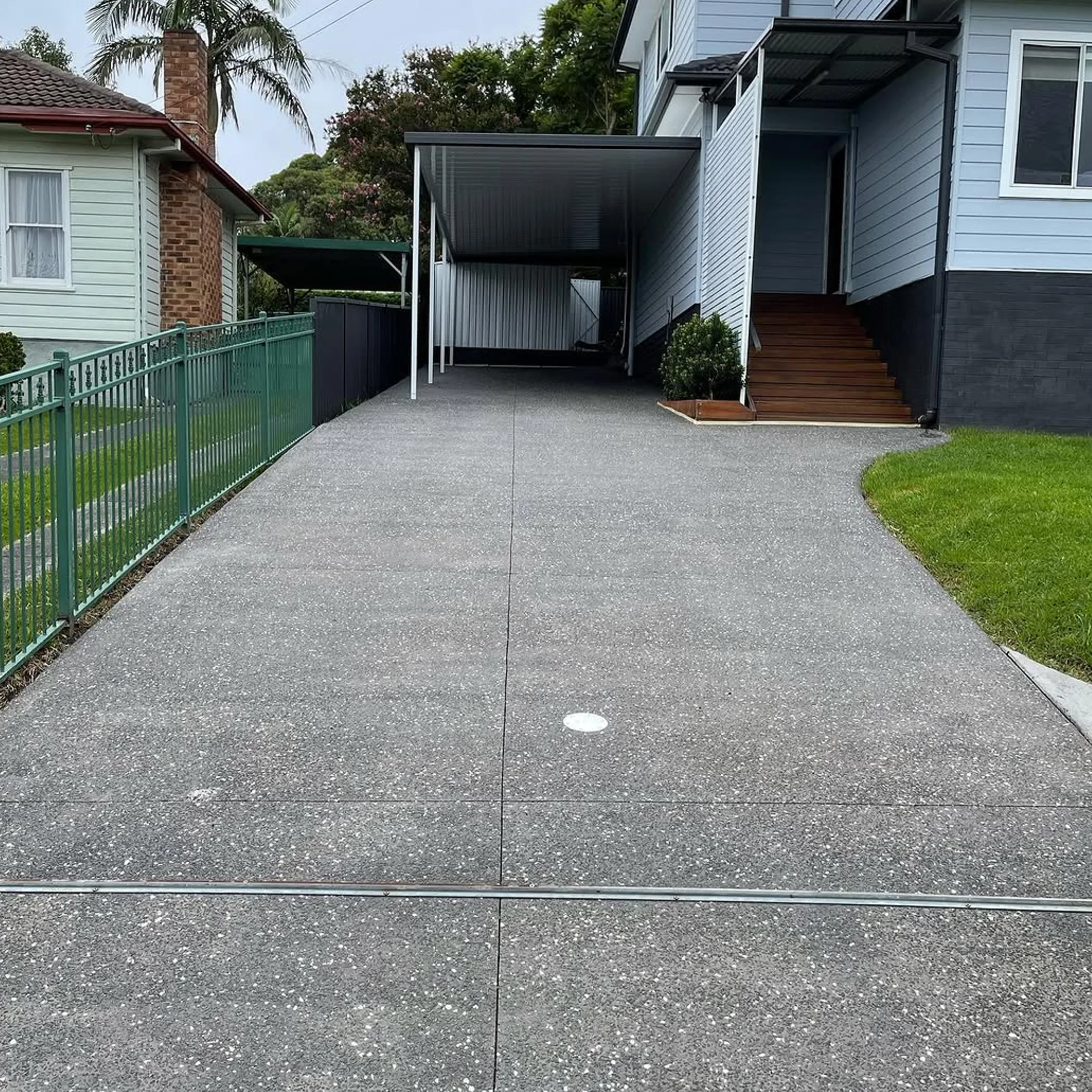
The case for reining in one’s DIY instincts is plain when it comes to asbestos-cement roofs. The slurry from high-pressure water will be spread about the ground, walls and gutters and fibres disturbed from the weathered cement.
Should you have reason to think there is asbestos present, leave it be; do not try to drill, cut, sand, scrape or put a pressure washer to it. Have a professional come and make an assessment and abide by the state or territory’s requirements for disposal and the like.
Some Risks Are Harder To See
To the eye an older shed, eaves or fence of asbestos-cement is just a cement product. Identification is not always easy. And a pressure washer is capable of harm to old pointing, soft timber, lead paint, painted weatherboards, loose render, roof coatings and brittle sealants.
Glass and window seals need to be treated with care. You can force water into vents or behind frames with a direct spray. Keep the nozzle at a safe remove and moving, and employ a wider pattern. Electrical fittings, light switches, external power points and any damaged cables are not to be aimed at.
Reality Check
One might expect the machine to clear a stain in a single pass. In reality there are marks that are embedded, surfaces with permanent discoloration and what you might call a stain is in fact a failed coating best left alone. I was struck in my own outdoor maintenance how the best results were often with less pressure and more dwell time and a soft brush. Exerting more force does not equate to a better job; it can be a quick way to a repair bill.
What Pressure Is Required?
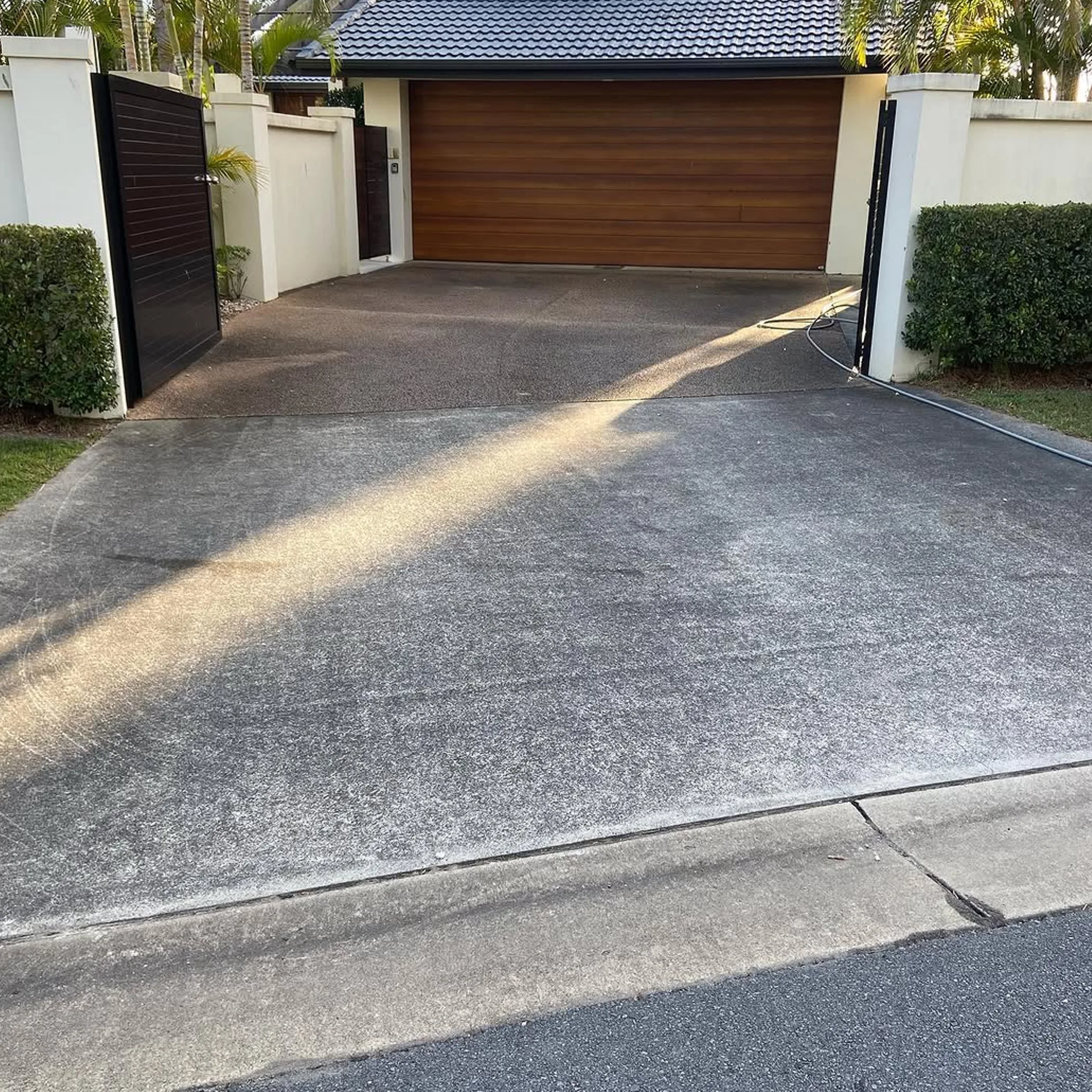
You will not find an Australian standard of water pressure for every task around the house. The setting is a function of the surface and its condition, age and coating and how far it is from the nozzle. Heed the manufacturer and any professional advice rather than the big number on the machine.
The numbers below are a guide to get you started, nothing more. Start low, put it to the test in an area that is not on show and desist if the surface feathers, lifts or shows roughness.
| Surface Or Task | Practical Starting Approach | Main Risk |
|---|---|---|
| Glass and window frames | Low pressure, wide and indirect | Broken seals, leaks, screens |
| Painted timber | Test patch, low pressure | Stripping paint, wood fibres |
| Rendered walls | Low to moderate | Render coming off, water in cracks |
| Concrete paving | Moderate, don’t let it sit | Etching, loose aggregate |
| Roofing | As per material guidance, no asbestos | Tile breakage, leaks |
It is a common question how many PSI are needed for a house. The truth is a house is not a monolith. A powerful machine will do damage in seconds where a modest one is fine for a patio but not a delicate façade. Water flow, the solution, the type of nozzle and the distance all play their part.
Adopt Safer Habits
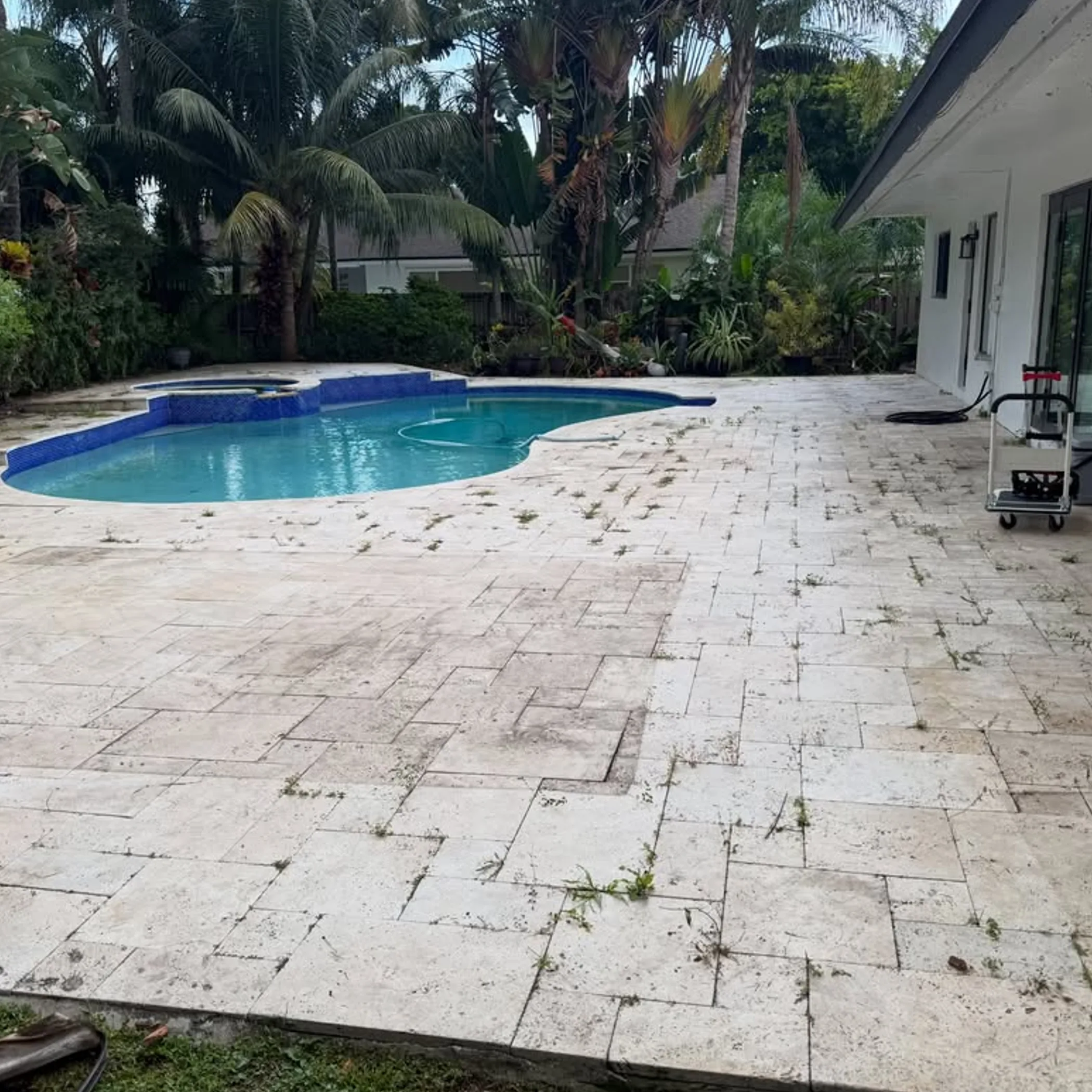
There is nothing glamorous about sound pressure washing safety, it is all in the practicalities. One should don the right personal protective gear, make sure children and pets are not about and be of the mind that a spray will bounce off concrete, glass or metal.
Then there is the matter of wet surfaces which turn to ice in no time; with algae, moss and detergent in play a path can be more of a hazard while you are cleaning it than before. Organise your hoses and cables, work by the section and have an unobstructed way back to the power or tap.
Before You Start
- Put aside some time to see what the wind and weather are like and to check for any water restrictions, strata rules or council requirements.
- Make note of any drains, low spots, electrical or fragile surfaces, and anything resembling asbestos.
- Your attire should include gloves, proper clothing, eye and hearing protection and enclosed shoes with a good grip.
- Put a cover on or move any outdoor furniture, pots, vehicles and electricals.
- A hidden area is a good place to try out the minimum pressure that will do the job.
Under no circumstances put a petrol machine to use in a shed, garage or where ventilation is poor. The electrical connection must be kept dry and the equipment fit for the outdoors. And never direct the lance at skin, animals, people, pressurised vessels or electricals.
After The Job
Take stock of the property for any residue left on the ground, blocked drains, paint that has been lifted, water behind windows or damage to the pointing. Rinse only in areas where you can contain the water. Be careful with temporary bunds so as not to let sediment run into a drain in one go.
Let the driveway and paths dry out fully before putting visitors, cars or children back on them. In the shade of a coastal area the paving can stay slick longer than you think. Come the wet season in northern Queensland or the Top End, a storm can nullify your containment in minutes, so put the job off if one is coming on.
Know When To Call A Professional
If you are faced with commercial wastewater, steep or fragile roofing, height, hazardous coatings, public access or any doubt over chemical contamination, it is sensible to engage a professional. This holds true for a property with heritage finishes, complex drainage or costly render.
Make certain of the contractor’s insurance and written scope and ask how they intend to handle noise, protect surrounding surfaces and mitigate asbestos risk. Do not be taken in by a quote that looks cheap because it does not account for repairs or capturing the wastewater; it will not stay that way.
Costs And Practical Timing
A national figure is not much guide when prices are so dependent on the size of the job and where you are. For current quotes look locally. Factor in hire of a surface cleaner, bunding, disposal and the like.
You will need more time than just for the spraying. Set-up and clean-up will put an hour on a modest single-storey patio. Narrow access, changeable weather or having to collect the water instead of letting it drain can mean a full exterior takes up the better part of the day.
When you have but a day, concentrate on what gives the most in the way of maintenance or safety, a soiled entertaining space for instance or an entry path that is treacherous. As for a steep roof or something calling for traffic control, leave it to someone else, no matter how adept you may feel from a few videos on the internet.
Answering Common Homeowner Questions
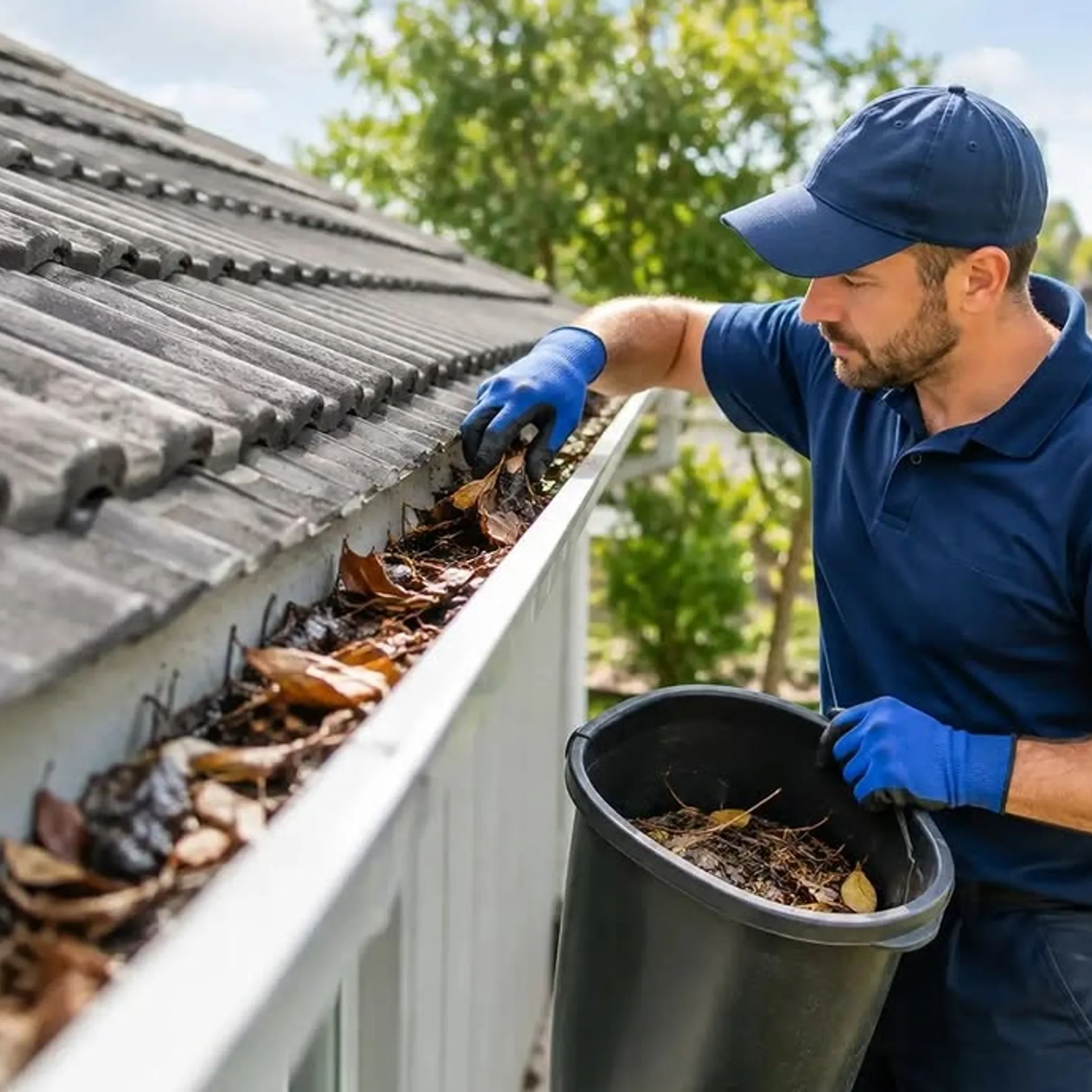
Many a prudent homeowner is caught out by these. What follows is the general position, though the state regulator, your lease or local council could have other ideas.
Can I Pressure Wash My Own House?
For the most part yes, on your own property and where the exterior is amenable. But you are expected to prevent damage, keep down unreasonable noise and be considerate of neighbours while you manage the runoff. Suspected asbestos or an unsafe roof is not to be tackled without professional input.
Does The Seller Clean The House?
Not every seller is under an obligation to have a house pressure cleaned prior to settlement. It comes down to the contract and any special conditions. A buyer would be wise not to equate “clean” with a professional job. If it is important, get legal advice and have it in the contract.
What Is Australian Water Pressure?
Do not mistake a machine’s top PSI for a safe level to put on your walls or roof. There is no one standard in Australia for household cleaning; tap and machine pressures are not the same. Heed the manufacturer and start with a low setting.
How Much PSI Cleans A House?
That is a function of the material and how soiled it is. Concrete can stand a higher setting but for painted timber, render or windows lower is safer. Let the water flow and time do the work and keep the nozzle in motion.
Can Wash Water Enter A Drain?
Not without question. Local environmental rules dictate how you deal with the dirt, paint and detergents. Should you have large volumes or contaminated surfaces and are in any doubt, speak to a waste contractor or the council.
Finish Cleanly And Check Locally
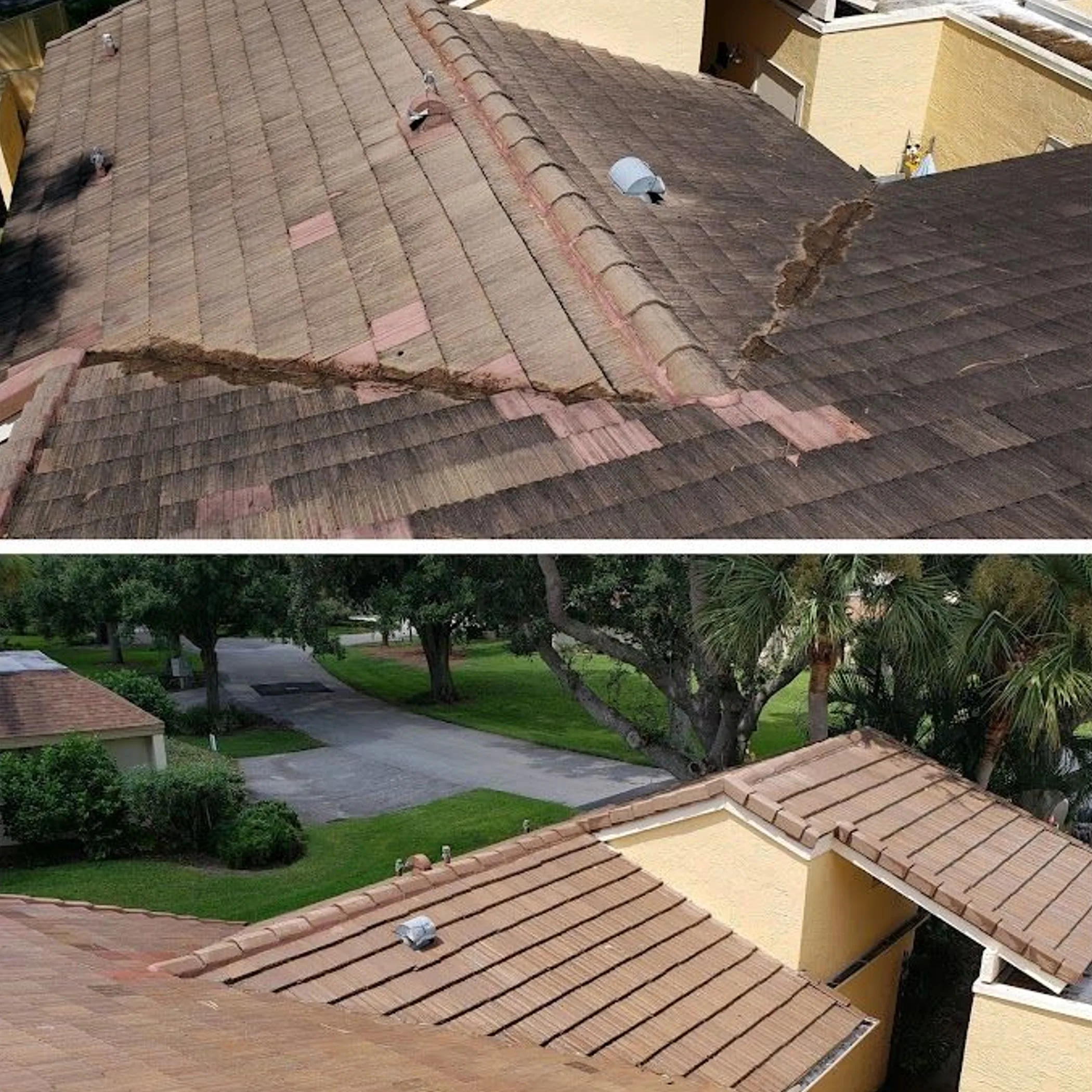
The regulations put in place in Australia for homeowners are not hard to abide by if you plan the water first. Look at the strata rules, the risks and the environmental authority then opt for the method of least impact.
I have a rule: if the water in your garden is oily, reeks of chemicals or is thick with grit, it has no business in a stormwater drain. Five minutes of preparation to put in some containment and show the surface and your neighbours some respect will spare you a good deal of grief and money, and any drama on the driveway.