There is a simple truth at the heart of Seasonal Concrete Maintenance in Australia: what homeowners need to understand is that outdoor concrete has a longer life when you are working with the weather and not in opposition to it. Timely application of a sealer, some repairs, an eye on the drainage and a good clean will see off the hard sun, temperature shifts and heavy rain for your driveway, patio, pool area or path.
I am Scarlett Fairchild, a writer from Sydney. One does not have to be an expert to know that the UV here is no joke, be it on one’s skin, a piece of furniture outside or a light coloured path. In this guide I set out in plain English how to care for your concrete come what season, when to put in a call to a pro and where the usual shortcuts can cause more trouble than they are worth.
The Weather And Your Concrete

Concrete in Australia is put under stress in different ways depending on where you are. The north can go from dry to months of deluge; inland there is dust and intense UV; coastal properties contend with mould, humidity and salt. Then in the alpine regions water in a crack will be made worse by freeze-thaw. Understanding the best seasons for outdoor concrete work can help with maintenance planning.
For a proper read on what the weather is going to do before you put a pressure washer to the job or seal any concrete, have a look at the long-term climate averages and local forecasts put out by the Australian Bureau of Meteorology.
Heat, Rain, Moisture
Being a porous material, concrete will let water in through small openings. Salts are brought to the surface in the process and you get efflorescence, a kind of pale powdery deposit. Where the drainage is not up to much, the cycle of wetting and drying will show up weak spots.
Then there is the matter of extreme heat. On a dark slab things can get hot enough to dry a sealer or cleaning product in an uneven fashion, resulting in a rough and patchy finish rather than something consistent and clean.
An Autumn Checklist
With the summer heat behind you and the winter rains yet to make their full impact, autumn is generally a good time for an inspection. You can put right minor defects before they turn into an expensive fix and clear away the grime. But do not think the whole of Australia is the same in autumn; you may find cooler and changeable days in Melbourne or Sydney but still have late storms and the odd bit of wet season humidity in the north.
Inspecting The Surface
Take a slow walk round and note any spalling, loose edges, rust or oil, mould or standing water after a shower. Make sure downpipes and grates are doing their job of moving water away from the slab. Have a look in garden beds too.
- Put a mark on any cracks that seem to be widening or veering off course.
- Clear the joints and edges of weeds and soil.
- See if anything you have stored or a vehicle is making access less safe.
- Take a few photos of problem spots to have for comparison once winter is over.
Sweeping, cleaning and making sure you have access will occupy most of the day on a DIY job. Work out where the car is to be parked and where the dirty water is to go. There is no point in having a spotless driveway if it is the only way to the dunny and you have put a block on it.
A Word On Cleaning
Organic growth and stains can be put to rights with a decent concrete cleaner, but test a patch first on any decorative or exposed aggregate work. An aggressive setting on the pressure washer will strip the cement paste and lay bare the aggregate in short order.
Do not rush to seal while the concrete is damp, that can trap moisture and give you peeling or a cloudy look. Wait until it is properly dry so you can tell if there is any discolouration.
Winter Maintenance

In most of the country winter is fine for a gentle clean and an inspection but you would be better not to attempt sealing if the dew or humidity will not let it dry. For those in colder climes, should water get into a crack and freeze the expansion puts pressure on the rest of the concrete. It is not a severe issue for the average home but those with alpine or elevated properties should not overlook it.
Surface Safety
Make certain drains and expansion joints are unobstructed. Trim back plants that keep the wall or path damp. Around the pool and steps, any mould or mildew in the shade should be taken care of as a fall hazard. Do not put very hot water on concrete that is frozen or of an extreme cold. The surface will be put under stress by the abrupt change in temperature. A product for the stain, a stiff broom and plain cool or lukewarm water will do.
Sealing In Poor Conditions: Hold Off
For any concrete sealing Australia work one must have a surface that is clean and dry as well as weather to match. Rain soon after you have applied the sealer will dilute it or leave its mark; humidity and cold will put a drag on the curing process. Put some faith in what the sealer label says instead of a bit of sun between the showers.
Where there is a need for urgent repairs, put up cones or barriers to cordon off the area. Slick residue from cleaning and wet concrete are more of a hazard than the stain was to begin with. It is best to keep visitors, pets and children away from the surface until there is no danger.
Spring Concrete Maintenance Checklist

One can put winter’s remnants to light in spring. Debris, rain and shade have a way of unearthing new stains, hairline cracks, blocked drainage and the first signs of spalling. An inspection in spring affords the time for repairs before the summer UV and entertaining get underway.
It is not unusual for people to be in a hurry to seal and pressure wash at this time of year but speed is nothing compared to proper preparation of the surface. A slab may be shiny but if it has dirt trapped under it it is still a dirty slab with a hat on.
Tending To Small Problems
Put the area in order, make sure it is dry, then look at the damage. A repair product will suffice for a stable crack of narrow proportions but if it is widening, stepping through masonry or letting in water on a regular basis, a professional should be called in.
Then there is the matter of spalling, rust or deep holes which could point to trouble below. To patch over the visible part when there is reinforcement corrosion or a drainage issue is to put off the day of reckoning.
Getting Ready For The Outdoors
Patios and pool surrounds should be washed before use becomes a habit in spring. Put the furniture and pot plants and barbecues out of the way. Should the main path be off limits, arrange to go back through the house and see to it that your indoor floors are not marred by wet shoes and the like. On a driveway of some size factor in extra time for drying and vehicle access. And if the contractor is bringing in machinery, have it sorted beforehand as to parking, overheads, who disposes of the wash-water and so on.
Summer Concrete Maintenance Checklist
The heat, the UV, the foot traffic and outdoor spills of summer put concrete to the test. Many an owner has been left with a patchy sealer job in this season. Prevention is the name of the game: deal with stains without delay and do not attempt to clean in the middle of the day.
A different plan is in order for northern Australia. Between November and April the wet season and cyclone alerts can put an end to outdoor work, leaving the dry season as the more dependable option. Heed local warnings and put away any loose chemicals or equipment before bad weather sets in.
Heat And Stain Control
Food and oil should be blotted, not spread, and cleaned up with something compatible at the earliest opportunity. Gloves and eye protection are to be worn where the label dictates and never mix the chemicals.
Keep to sections you can handle and do not let the detergent dry on the slab. There is comfort in working early or late in the day but do not assume the concrete is cool or dry enough for sealing just because it is in the shade.
High-Traffic Areas
Mats at the door are fine but they have to be lifted from time to time or grit and moisture will build up. Put feet on plant pots to stop water being held in. Sunscreen and body oils around the pool can be slippery and cause staining, so control them and any leaf litter.
Do not think of summer as the ideal time for outdoor concrete work. With wind and heat the sealer will flash-dry on top and be under-cured underneath. A weekend project becomes a sticky affair and hard on the wallet in short order.
Work Window
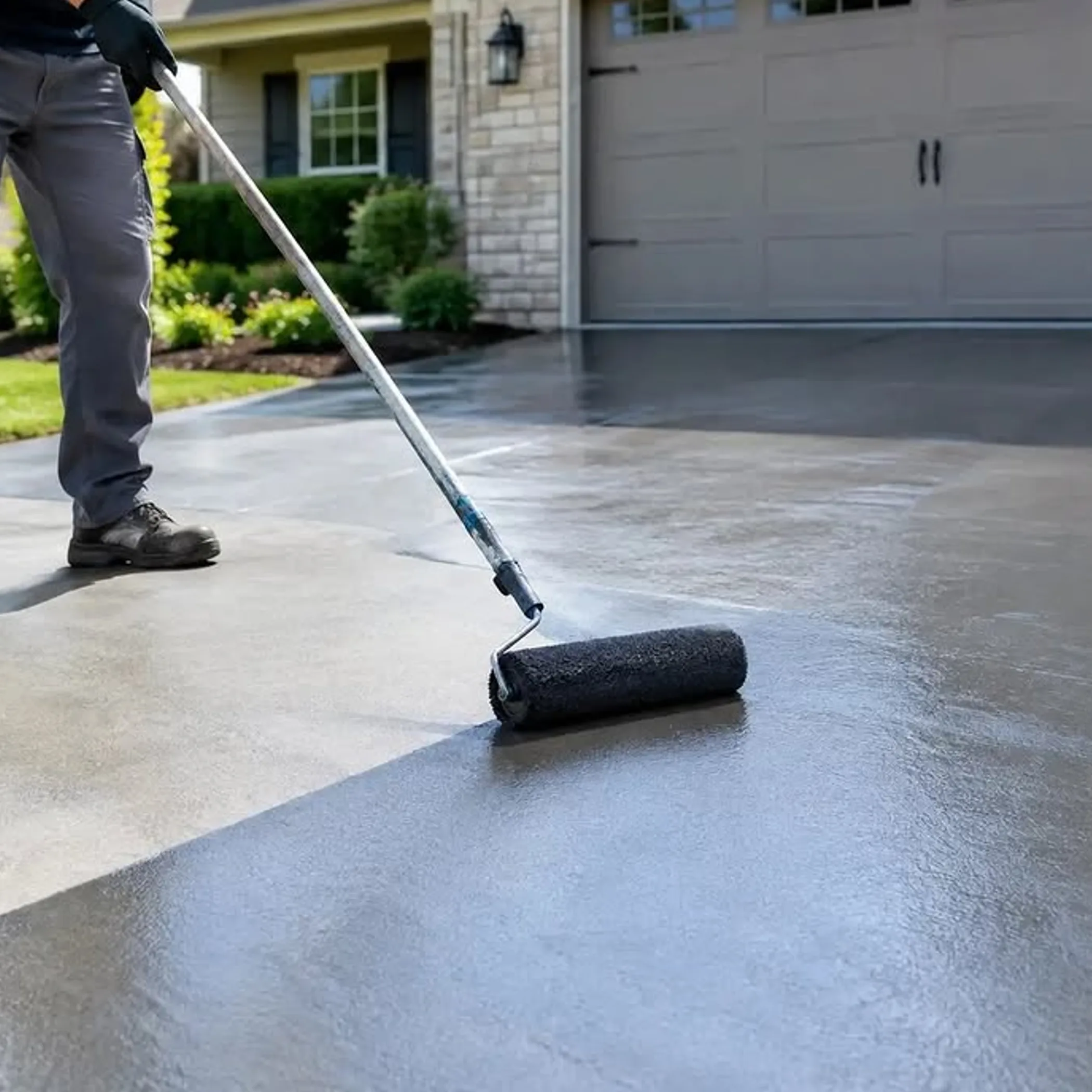
There is no universal calendar for this, it is a question of local climate. You want low wind and moderate humidity for the cleaning and sealing to be done right. Southern cities will find autumn and spring conducive to major maintenance. Up in the Top End or northern WA the dry season is better suited. In the Pilbara the hours are limited by the heat; in alpine areas and Tasmania one has to be watchful of the overnight temperatures and moisture.
| Task | Preferred Conditions | Common Delay |
|---|---|---|
| Routine sweeping | Any safe, dry day | Active storms or strong wind |
| Concrete cleaning Australia | Moderate temperatures with time for drying | Hot sun or heavy humidity |
| Crack repair | A stable weather pattern with a clean, dry surface | Moisture entering the repair |
| Concrete sealing Australia | A dry slab and dependable weather during curing | Rain, dew or dust |
Plan Accordingly
A day’s maintenance should see you focus on an inspection, cleaning and drainage. If there is any doubt over the forecast or the slab has not properly dried, put off the sealing. It is less expensive to make another trip than to have to strip a sealer that has not taken from a driveway of any size.
Homeowners with the mobility to use hoses, brushes and cleaning agents without issue will find this work well within their capabilities. Those with respiratory sensitivities to chemicals or who are unsure of a structural crack would be better advised to look elsewhere. Any spalling of note, an unstable slab, repairs in the vicinity of plumbing or electrical services or where access is hard, is a job for a qualified contractor.
Proper Way To Clean, Seal And Repair

The sequence for sound outdoor maintenance is straightforward. Make sure the surface is free of loose dirt and then clean it. Let it dry out. Address any defects and do a second cleaning if called for before putting down the sealer in line with what the manufacturer says. Most early sealer failure can be traced back to a lack of preparation.
Use a pressure washer with some restraint. A wider spray is best, keep the nozzle in motion and do not put all the force on joints and cracks. Should the aggregate become exposed or the concrete shed grit, put the machine down and take stock of the situation.
When To Engage A Professional
If you are looking at deep or wide cracks, ones that are changing fast or are linked to movement in adjacent walls and paving, get some advice. The same for slabs that are sinking, dampness that will not go away, exposed reinforcement or drainage problems that cannot be put right by a bit of clearing.
Put the scope in writing: number of coats, the products to be used, surface prep, aftercare, curing and access. Check that the quote is inclusive of GST, any stain treatment, moving furniture and wastewater disposal. You will find square-metre rates are cheap but may not tell the whole story given the condition of the slab, the product and where you are.
Regional Considerations
One does not maintain concrete the same way across such a big country as Australia. In coastal Brisbane or Sydney you will be dealing more with salt, mould and humidity. Down in Melbourne and the south the plan has to accommodate the rainfall. Perth and the inland will demand a measure of protection from the UV and heat.
Up north in Queensland and WA there is the matter of cyclones; in the Top End the wet and dry seasons dictate the routine. Heed the warnings and put off any work when destructive winds are in prospect.
Suit The Method To The Site
Grit will find its way into the joints and surface on the Stuart Highway and similar dusty corridors; a regular sweep is better than an infrequent and forceful wash. On a bush block, do not let red soil, leaves and other organic matter clog up the drainage. Driveways must stand up to tyres and oil, pool areas to the need for slip resistance, and patios to stains, particularly on the shaded side.
Frequently Asked Questions
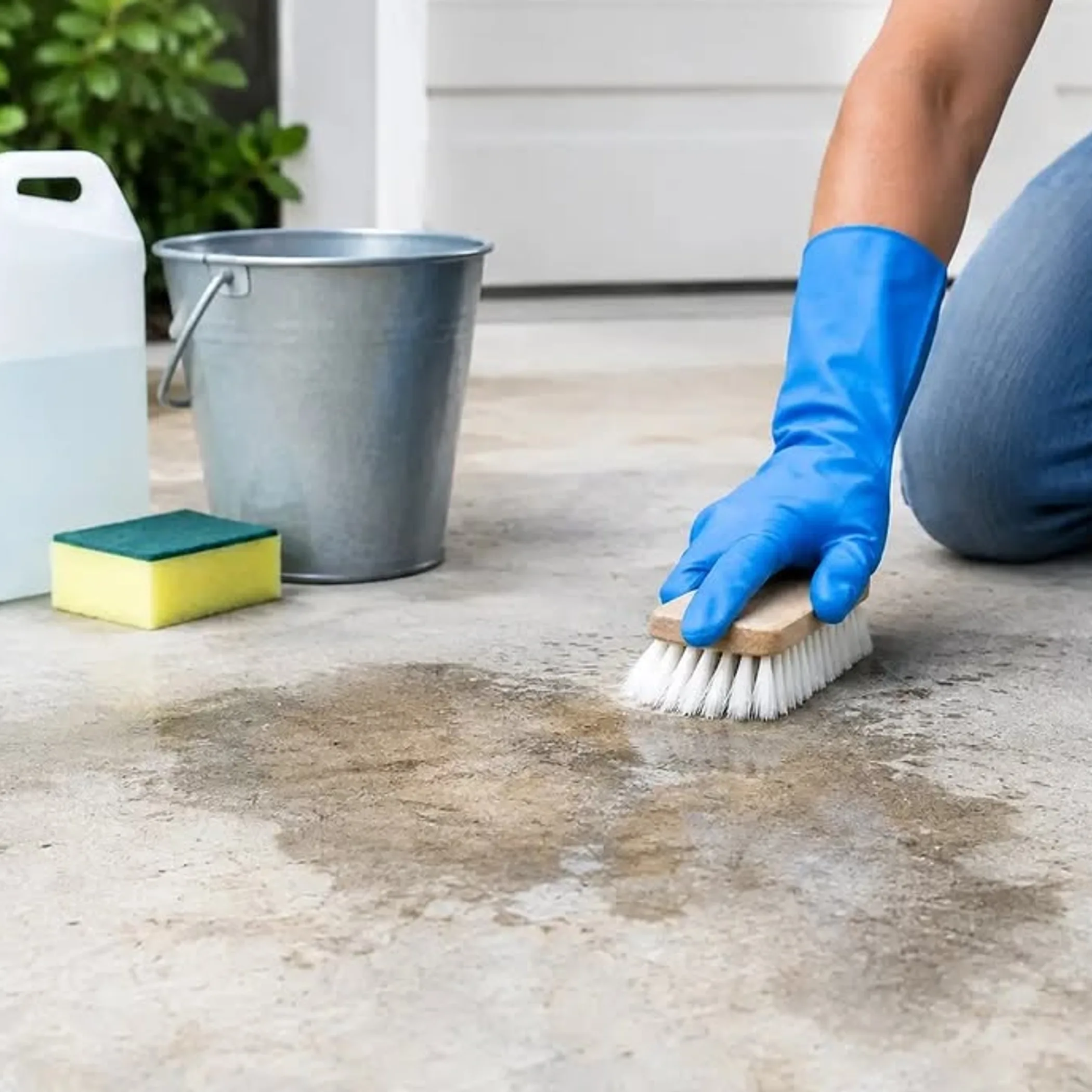
Below are the details to make sense of the “it depends” answer to the misconceptions and errors we come across.
What Is The Ideal Season For Sealing?
Some low wind and a dry, mild spell where the product can cure. Southern climes tend to be suited to spring or autumn, the dry season in the north is more dependable.
How Frequently For Outdoor Concrete?
It is not a set interval. One has to factor in the traffic, the product, how much UV and rain it gets and so on. An annual check will tell you; reseal if the water is not beading or the surface has gone dull or the maker says it is time.
Is Winter Cleaning Possible?
Yes, as long as the weather is right and the surface dries. Do not do it ahead of rain or in conditions of high humidity where the slab will be left wet through the night.
What Of Temperature For The Sealer?
Temperatures are a matter for the product instructions. Steer clear of the direct hot sun or anything near freezing, and do not apply if rain or dew is in the offing. The slab itself will be as telling as the air around it.
Can You Stop Concrete From Cracking?
You can mitigate the risk by tending to your joints, not overloading with vehicles and fixing minor defects, but you cannot preclude every crack. Where there is subsidence or movement, a filler on top will not address the underlying problem.
Let The Concrete Look After Itself
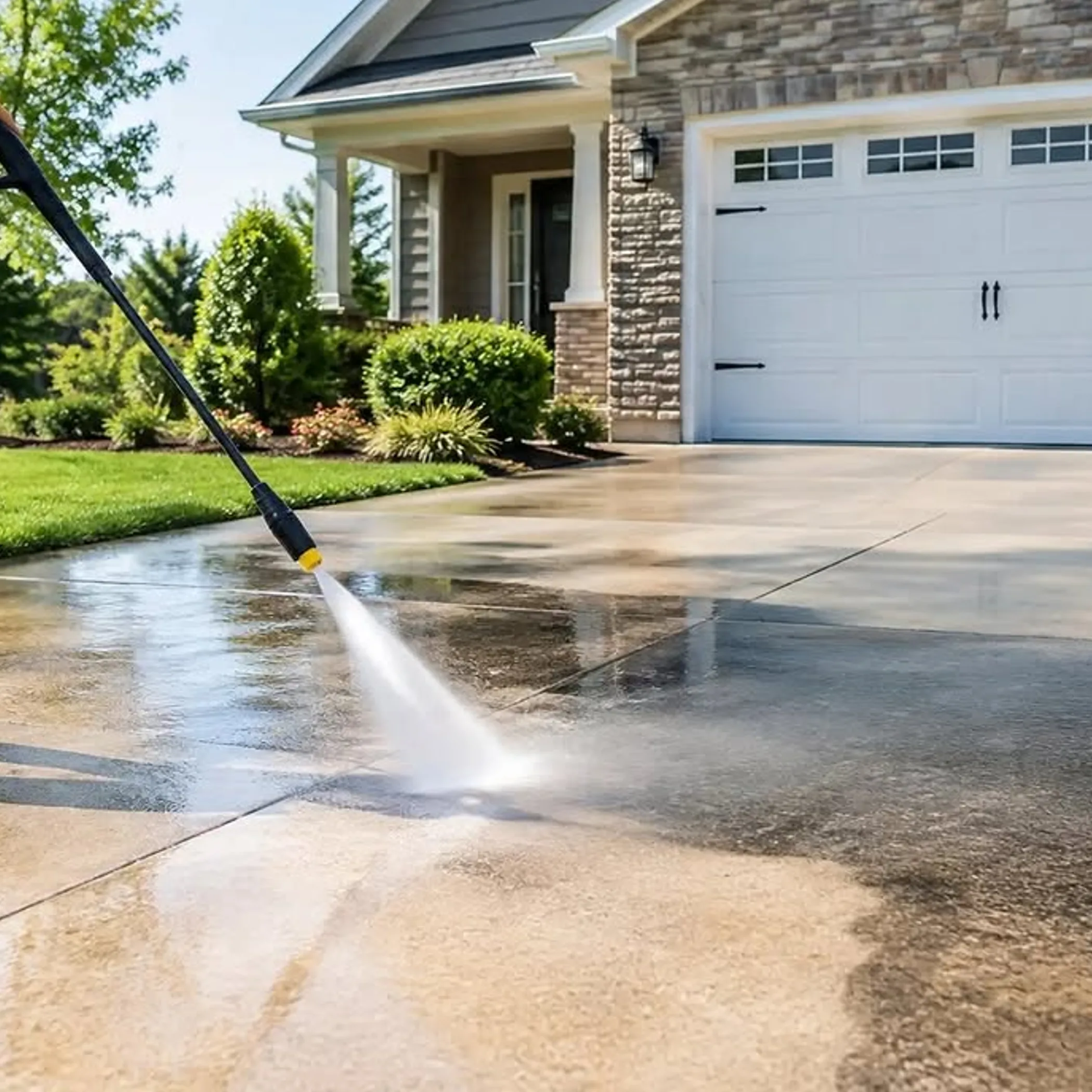
There is no need to make a weekend of it and head to the hardware store. A simple checklist of sweeping, tending to drainage, quick spill cleanup and seasonal inspections will suffice. Seal when the weather and the slab are amenable.
I have a rule: if the access or the forecast gives one pause, wait. Concrete will put up with it even if the mozzies will not. Some good timing and the odd bit of sensible preparation is worth more than any miracle in a shiny bucket.